
What Is a Palatal Expander? Types, Uses, and What Parents Should Know
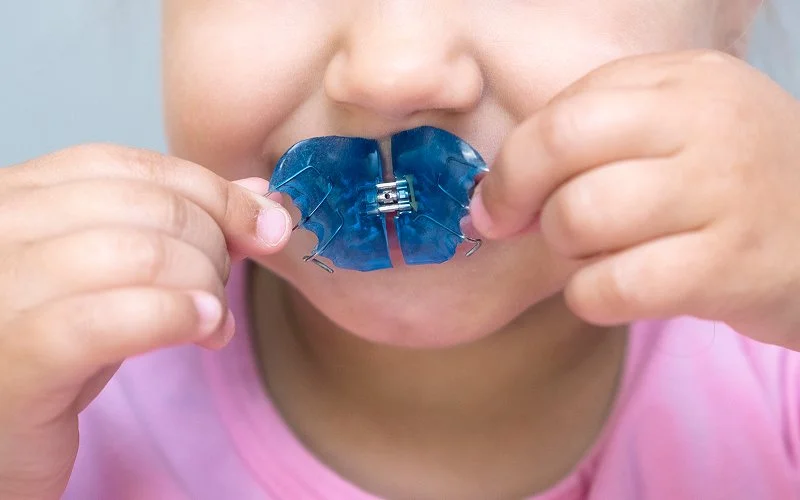
When your child is preparing for braces or clear aligners, the orthodontist may also recommend a palatal expander as part of their treatment plan. This appliance gradually widens the upper jaw to create more space for developing permanent teeth and help the upper and lower teeth meet more evenly.
Below, we explain why palatal expansion may be needed, the different types of expanders available, and what parents can expect before, during and after treatment.
Key Takeaways
A palatal expander is an orthodontic appliance that gradually widens the upper jaw to improve the way the upper and lower teeth fit together.
Expansion is commonly considered for children with a narrow upper arch, crossbites, crowded teeth, or limited space for permanent teeth to erupt.
Options include fixed, removable, slow, rapid, and miniscrew-assisted expanders. The appropriate type depends on the child’s age, growth stage, and orthodontic needs.
Temporary pressure, speech changes, and a gap between the front teeth can occur during treatment, but these usually improve as the child adjusts.
Expansion may be followed by observation, braces, or aligners, depending on how the permanent teeth and bite continue to develop.
What Is a Palatal Expander?
A palatal expander is an orthodontic appliance designed to gradually widen the upper jaw (maxilla) over time. It is commonly recommended for children and younger teenagers because the jaw is still developing and may respond more readily to guided expansion.
By increasing the width of the upper arch, the appliance can help improve how the upper and lower teeth meet and create more space for permanent teeth to erupt.
Most expanders use a small mechanism positioned along the roof of the mouth to apply gentle, controlled pressure across the upper jaw. This pressure widens the jaw gradually over time. Depending on the type of appliance, adjustments may be made at home or during scheduled appointments based on the orthodontist’s instructions.
Why Might a Child Need a Palatal Expander?
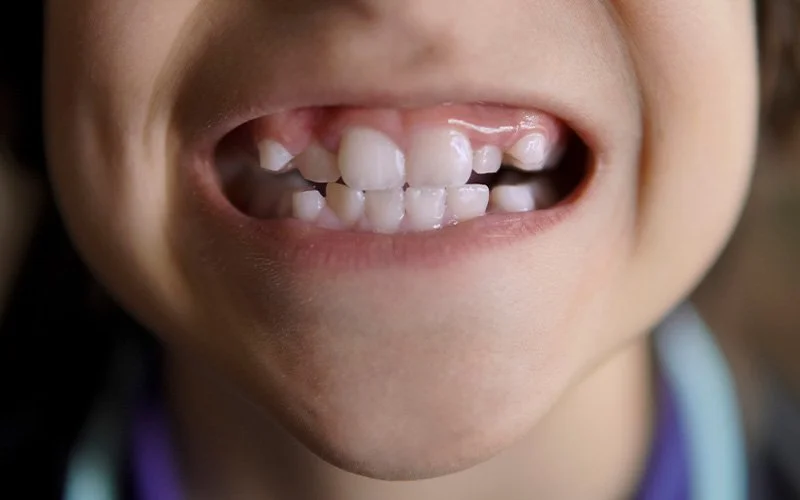
Your child’s orthodontist may recommend guided expansion for several reasons.
1. Posterior Crossbite
A posterior crossbite occurs when the upper back teeth bite inside the lower back teeth instead of sitting slightly outside them. This may affect one or both sides of the mouth.
Some children may shift their lower jaw to one side when biting to find a more comfortable position. If this continues, the bite may become uneven and place different amounts of pressure on each side. Crossbites can also affect growth of the jaws, resulting in facial asymmetry or a slanted smile.
2. Crowding and Limited Space
A narrow upper arch may not provide enough room for permanent teeth to emerge in suitable positions. As more adult teeth erupt, they may overlap, rotate, or come through further towards the front or back of the arch. An expander may create additional space in selected cases, although further orthodontic treatment may still be needed for teeth alignment.
3. Delayed or Impacted Permanent Teeth
When there is insufficient space in the upper jaw, certain permanent teeth may have difficulty erupting normally. This commonly affects the upper canine teeth, which may remain buried beneath the gums or move towards neighbouring teeth.
Creating more room in the upper arch can help guide these teeth towards a more favourable eruption path, depending on their position and the child’s stage of development. This can also help them avoid the need for more complex orthodontic or surgical management later on.
4. Tongue Posture and Breathing Habits
A narrow upper jaw may reduce the space available for the tongue to rest against the roof of the mouth. As a result, some children may develop a lower tongue posture or breathe through their mouths more often.
However, mouth breathing can also be caused by nasal congestion, allergies or enlarged tonsils and adenoids. If it persists, your child may need a separate medical assessment to identify the underlying cause, as a palatal expander and orthodontic treatment alone may not resolve the issue.
What Are the Different Types of Orthodontic Expanders?
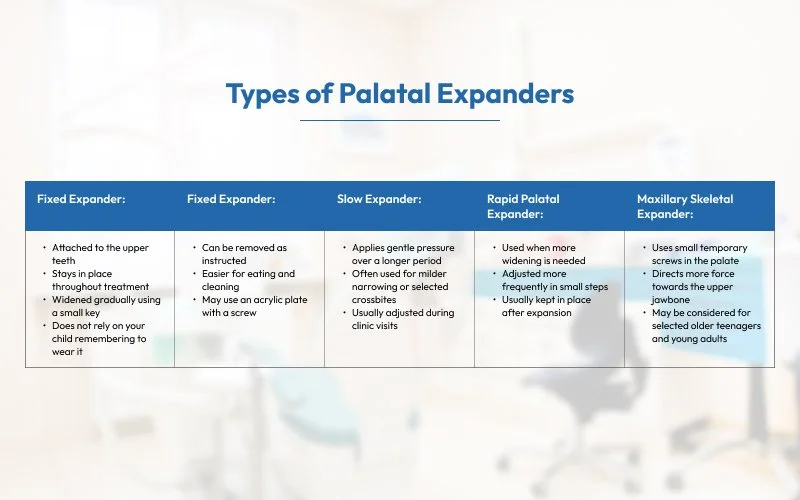
There is no single palatal expander that suits every child. The choice depends on how much widening is required, whether the change needs to occur through the jawbone or teeth, the child’s growth stage, and how well your child can follow wearing instructions.
1. Fixed Expanders
A fixed expander is attached securely to the upper teeth and stays in place throughout treatment. It usually consists of metal bands fitted around the back teeth, connecting arms and a screw positioned along the centre of the palate.
Parents may be shown how to turn the screw with a small key according to the orthodontist’s instructions. Each adjustment widens the upper jaw by a small amount. Since the appliance cannot be removed, treatment does not depend on the child remembering to wear it.
2. Removable Expanders
Removable expanders can be taken out for eating, brushing and cleaning, depending on the orthodontist’s instructions. Conventional designs usually include an acrylic plate, metal clasps and an expansion screw that is adjusted gradually.
For selected patients, the orthodontist may also recommend the Invisalign Palatal Expander System. Instead of using a metal screw, it uses a series of custom-made, three-dimensional printed appliances that are changed according to a prescribed schedule.
3. Slow Expanders
Slow expanders apply gentler pressure over a longer period. One example is the Quad-Helix, a fixed wire appliance attached to the upper molars. Its spring-like arms are adjusted to gradually widen and reshape the upper arch.
This approach may be considered for milder jaw narrowing, selected crossbites or cases where more gradual expansion is appropriate. As the appliance is usually adjusted during clinic visits, parents may not need to make regular changes at home.
4. Rapid Palatal Expanders (RPE)
The orthodontist may recommend an RPE when a greater amount of widening is required. It usually has a central screw that needs to be activated more frequently during the active phase of treatment.
Despite its name, the expansion still takes place in small, controlled steps rather than all at once. Once the required width has been achieved, the appliance is usually left in place for several months to allow new bone to form and support the widened position.
5. Maxillary Skeletal Expander (MSE)
Miniscrew-assisted rapid palatal expansion (MARPE) using a MSE is a newer technique that uses small temporary screws placed in the palate to apply expansion forces more directly to the upper jawbone rather than primarily through the teeth. In selected older teenagers and young adults, this approach may help achieve skeletal expansion without the need for more extensive jaw surgery.
What Should Parents Expect During Palatal Expander Treatment?
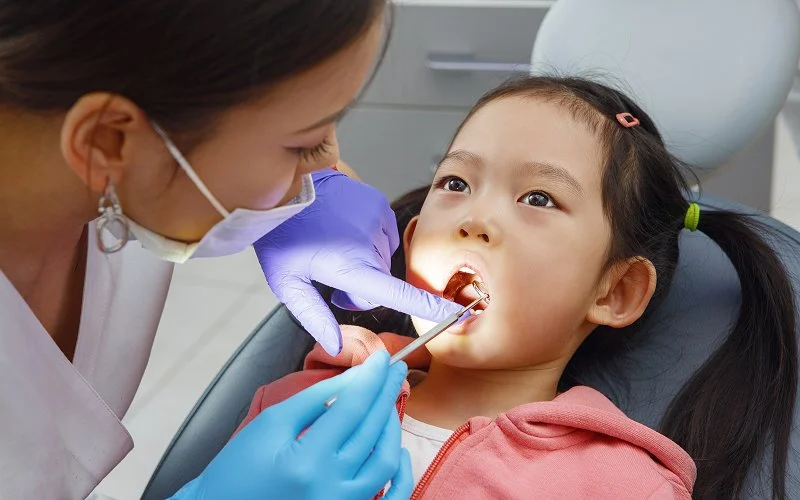
The treatment process can vary from child to child, but it usually follows a few main stages.
1. Initial Orthodontic Assessment
Treatment usually begins with an examination of your child’s teeth, jaws and bite. Records may include photographs, X-rays, bite measurements, and digital scans. An intraoral scanner may also be used to create a digital image of the teeth and surrounding structures where appropriate.
These records help the orthodontist assess:
The width of the upper arch
How the upper and lower teeth meet
Whether the jaw shifts when biting
The position and available space for permanent teeth
The findings can then be used to decide whether expansion may be helpful or whether monitoring your child’s growth is more appropriate for now.
2. Fitting the Appliance
The fitting process depends on the type of jaw expansion appliance selected. Fixed palatal expanders may involve placing bands around the back teeth before the appliance is secured, while removable systems are fitted and checked to ensure they sit comfortably and correctly.
You and your child will be shown how to care for the palatal expander, how often it should be worn or adjusted, and what to do if it feels loose or becomes damaged. It is important to follow the prescribed schedule and avoid making extra adjustments unless advised by your orthodontist.
3. Active Expansion
During the active expansion phase, your child may feel some pressure or tightness around the upper teeth, cheeks or roof of the mouth after an adjustment. This is usually temporary and should ease as the mouth adapts.
A small gap may also appear between the upper front teeth. Although this can be surprising, it is often an expected sign that the upper jaw is widening. The teeth may move closer together over time, although further orthodontic treatment, such as metal braces, may be needed to manage any remaining space.
4. Review Appointments
Your child’s dental team will arrange for regular review appointments to check your child’s bite, appliance fit, oral hygiene and overall response to treatment. The adjustment schedule may be changed or stopped once the planned amount of expansion has been reached.
As a general guide, children with traditional fixed metal expanders may be reviewed every 2 to 4 weeks, while those using removable expanders may be seen every 4 to 6 weeks. The exact timing will depend on the palatal expander and your child’s treatment needs.
5. Stabilisation
Once active expansion is complete, the appliance is often left in place for around three to six months, although the exact duration varies.
This stabilisation period allows new bone to form and helps support the widened position of the upper jaw. Your child should continue cleaning carefully around the palatal expander even though no further adjustments are being made.
What are the Risks and Potential Complications of Palatal Expanders?
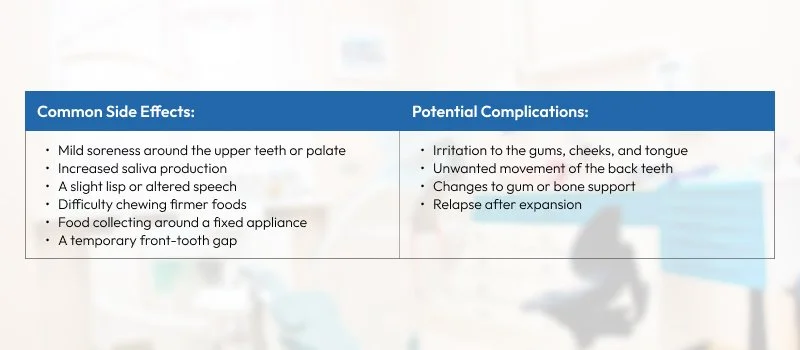
Like most orthodontic appliances, palatal expanders can cause common and temporary effects, such as:
Mild soreness around the upper teeth or palate
Increased saliva production
A slight lisp or altered speech
Difficulty chewing firmer foods
Food collecting around a fixed appliance
A temporary front-tooth gap
Parents should also keep an eye out for potential complications:
Irritation to the gums, cheeks, or tongue: A loose or poorly fitting palatal expander may rub against the surrounding soft tissues. Contact the clinic if your child develops persistent soreness, ulcers or sharp areas around the appliance.
Unwanted movement of the back teeth: Some of the expansion force may cause the supporting teeth to tilt outwards rather than widening only the upper jawbone. Regular reviews allow the orthodontist to monitor these changes and adjust treatment where needed.
Changes to gum or bone support: The back teeth used to support a fixed expander are placed under additional pressure. In some cases, this may contribute to gum recession or changes in the bone around these teeth.
Relapse after expansion: Part of the expansion may reduce after the palatal expander is removed. A stabilisation period is usually needed to allow new bone to form and support the widened upper jaw.
What Happens After Expansion?
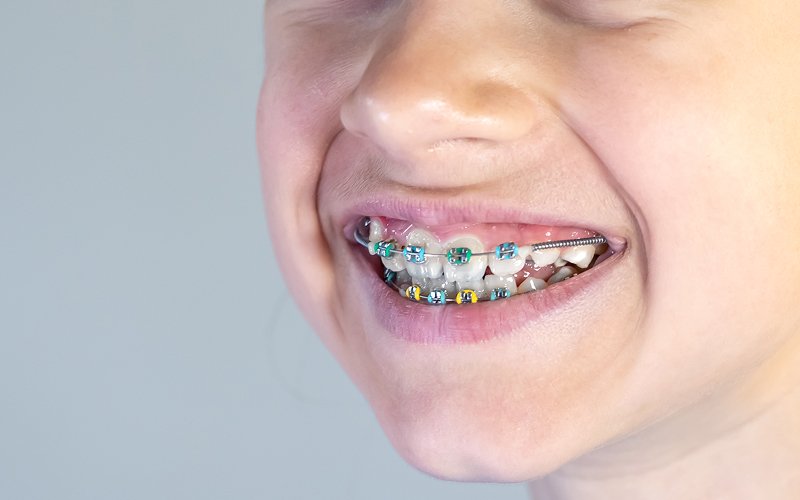
What happens next will depend on your child’s age, tooth eruption, and remaining bite or alignment concerns.
1. Monitoring Permanent Teeth
After expansion, the orthodontist will continue checking how the permanent teeth emerge and how the bite develops. The additional space may allow some teeth to erupt in more favourable positions, although crowding or bite issues may still need to be addressed later.
2. Braces or Aligners
Expansion creates width but does not necessarily straighten every tooth. Once enough permanent teeth have erupted, braces or clear aligners may be recommended to address rotations, spacing, crowding, and bite relationships.
The timing will depend on the child’s development. Moving directly into full orthodontic treatment after a palatal expander is not necessary in every case.
3. Retention and Long-Term Stability
After tooth alignment is complete, retainers may be prescribed to help maintain the new tooth positions. Since the teeth and surrounding tissues can continue to change as your child grows, following the recommended retainer schedule can help reduce future shifting.
Frequently Asked Questions
1. Can a palatal expander change my child’s facial appearance?
Yes, but any changes are usually subtle. Your child’s smile may look slightly wider as the upper jaw expands, especially if their upper arch was previously very narrow. The extent of change depends on their age, facial growth and how much expansion is needed.
2. What if my child misses a few days of expander activation?
Missing a few days will usually slow treatment rather than cause an immediate problem. Do not make extra turns to catch up unless the orthodontist tells you to, as this can place too much pressure on the teeth and jaw. It’s best to contact the clinic if several activations were missed or if the palatal expander feels unusually tight, loose or difficult to turn.
3. Can my child still play sports or musical instruments with a palatal expander?
Yes, most children can continue with sports and music. For contact sports, the orthodontist may recommend a suitable mouthguard to protect the teeth and appliance.
Children who play wind or brass instruments may need some time to adjust their tongue position and airflow, particularly during the first few weeks.
Conclusion
While a palatal expander may take some getting used to, many children adapt well with clear guidance and a consistent care routine. Understanding what to expect can also help parents support their child more confidently throughout treatment.
At Align Braces Clinic, we take a gentle, patient-friendly approach to children’s dental care by assessing each child’s jaw development, tooth eruption and bite before discussing whether expansion may be appropriate. If treatment is needed, we will explain the available options, expected stages, and home-care requirements to help families make an informed decision about their child’s orthodontic care.
Make an appointment with us today.