
Tooth Fillings
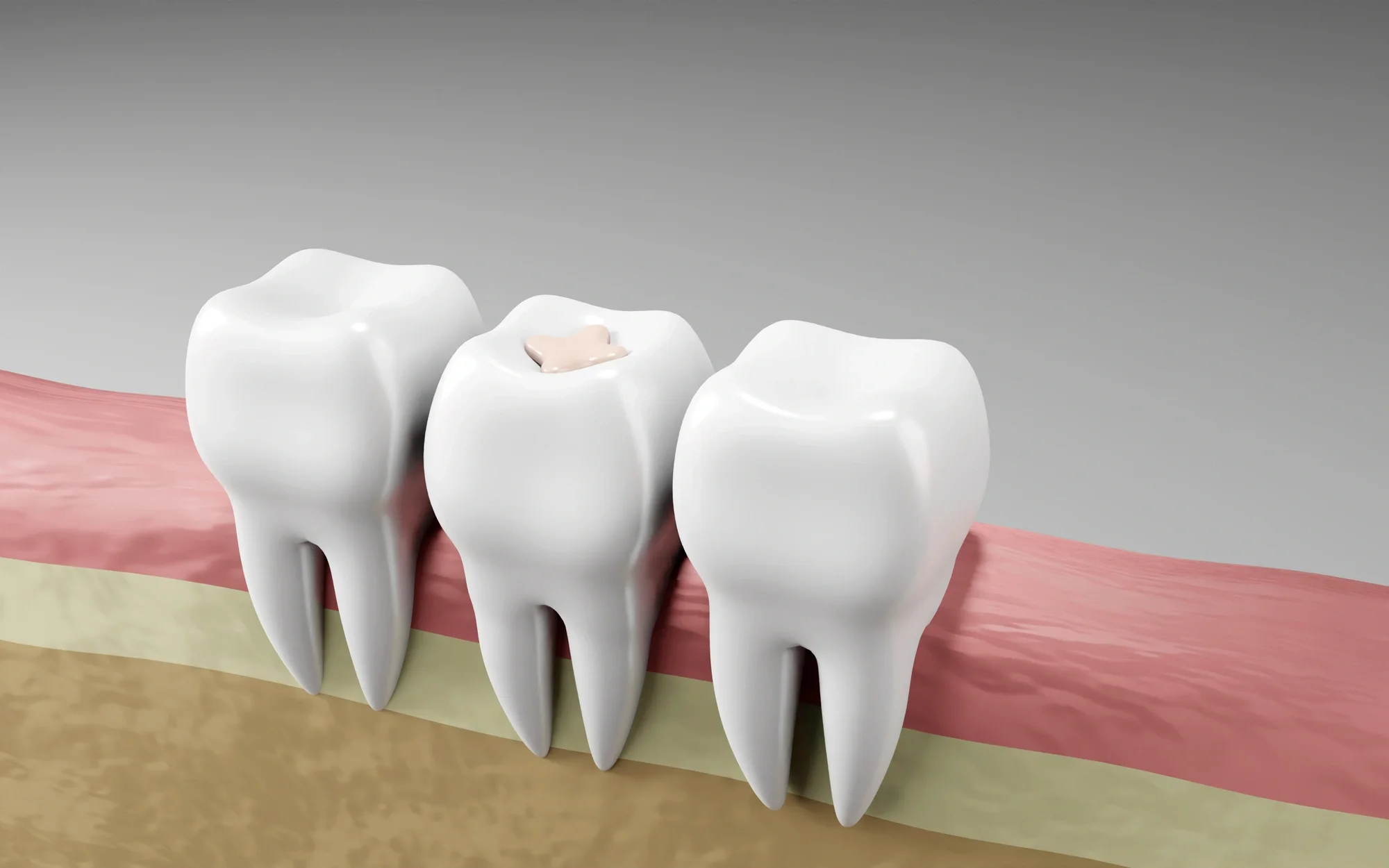
A tooth filling is a dental procedure that restores teeth affected by cavities, wear, or minor damage. When enamel is weakened by decay, it can create holes that worsen if left untreated. A filling seals these cavities, protecting the tooth’s structure and helping it function normally. Today’s fillings are designed to blend with natural teeth, offering a discreet and reliable way to maintain oral health.
Regular dental check-ups can detect early signs of decay, allowing a filling to be placed before more complex procedures, such as root canal treatment or extraction, are needed. By addressing issues early, tooth fillings help prevent discomfort and support long-term oral health.

How Do Tooth Fillings Work?
Tooth fillings work by replacing the decayed or damaged portion of a tooth with restorative material. The dentist first removes the decayed tissue and cleans the area to prevent further bacterial growth. The filling material is then placed and shaped to match the tooth’s contours. Once hardened, the filling restores chewing function, prevents further decay, and maintains the natural appearance of the tooth.
Signs You May Need a Tooth Filling
Certain symptoms may indicate the need for a tooth filling. These signs include:
-
Experiencing discomfort when eating or drinking hot, cold, or sweet foods may point to enamel erosion or cavities.
-
Holes, pits, or black and brown stains can signal decay requiring dental attention.
-
Ongoing pain, particularly when chewing, could mean decay has reached deeper layers of the tooth.
-
Teeth damaged by grinding, injury, or daily wear may need fillings to restore strength and function.
-
If food frequently gets stuck in certain areas, it may be due to a cavity or loss of enamel.
-
Rough or sharp surfaces can indicate a broken filling or enamel erosion that requires restoration.
-
Untreated cavities may harbour bacteria, leading to persistent odours or taste changes.
Direct vs Indirect Tooth Fillings
Tooth fillings are categorised into direct and indirect restorations.
Direct Fillings are applied directly into the cavity during a single appointment. They are suitable for small to moderate decay.
Indirect Fillings (such as inlays, onlays, or crowns) are fabricated in a dental lab and later bonded to the tooth. They are typically used for larger cavities or when extra strength is needed.
| Aspect | Direct Fillings | Indirect Fillings |
|---|---|---|
| Placement | Done in a single visit | Requires two or more visits |
| Material Used | Composite resin, glass ionomer, amalgam | Porcelain, composite, gold, or ceramic |
| Best For | Small to medium cavities | Large cavities or heavily damaged teeth |
| Durability | Generally less durable than indirect | Offers greater strength and longevity |
| Appearance | Tooth-coloured materials blend with enamel | Can be colour-matched for aesthetics |
Material Options for Tooth Fillings
Different materials are used for tooth fillings, each with unique properties suited to different needs and areas of the mouth. Your dentist will recommend a suitable material based on the size of the cavity, tooth location, and aesthetic preferences.
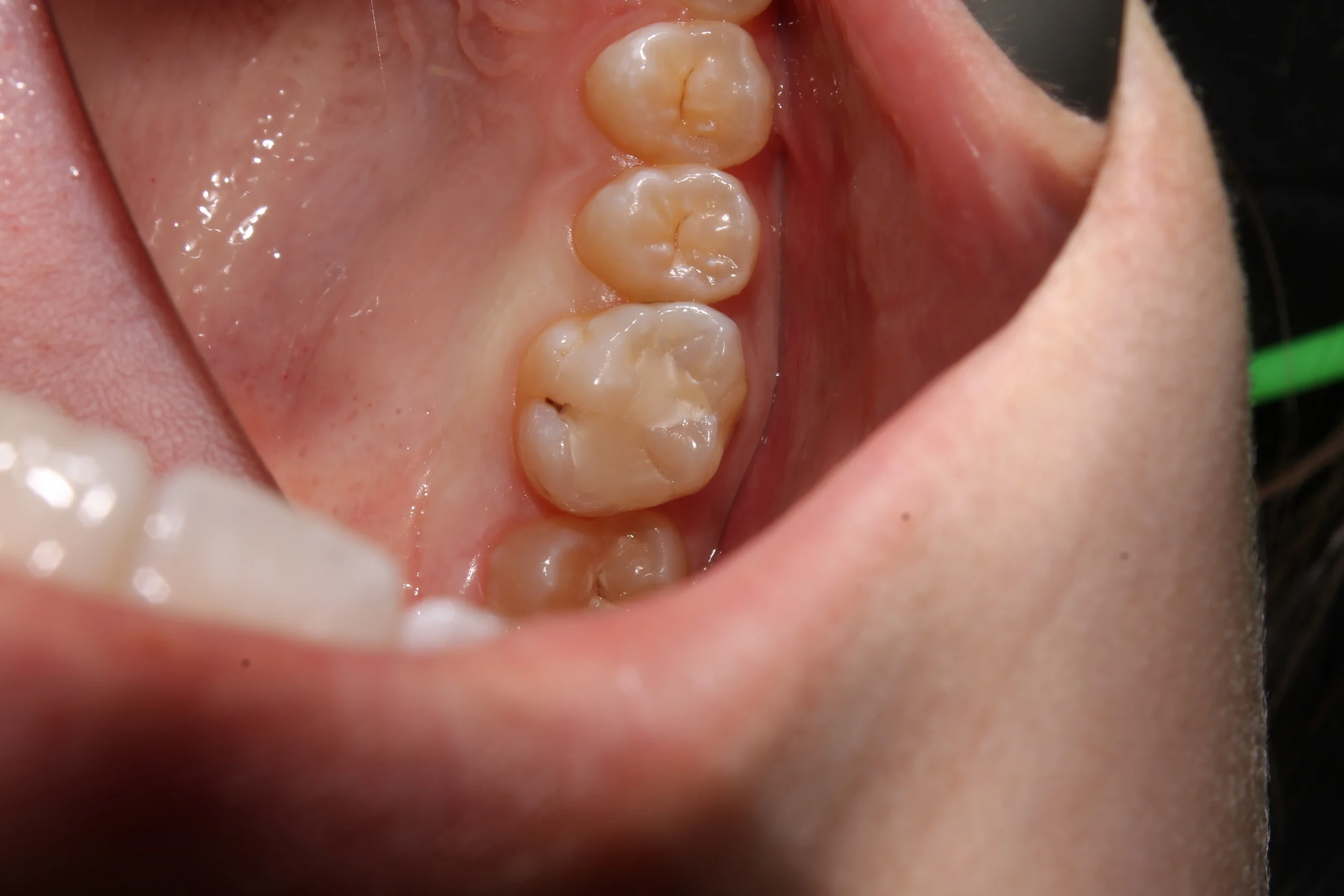
Composite Resin
Pros:
Tooth-coloured material that blends naturally with surrounding teeth
Suitable for visible areas such as the front teeth
Mercury-free and bonds well to tooth structure
Cons:
May wear down faster under heavy biting pressure
More prone to staining over time compared to porcelain
Amalgam
Pros:
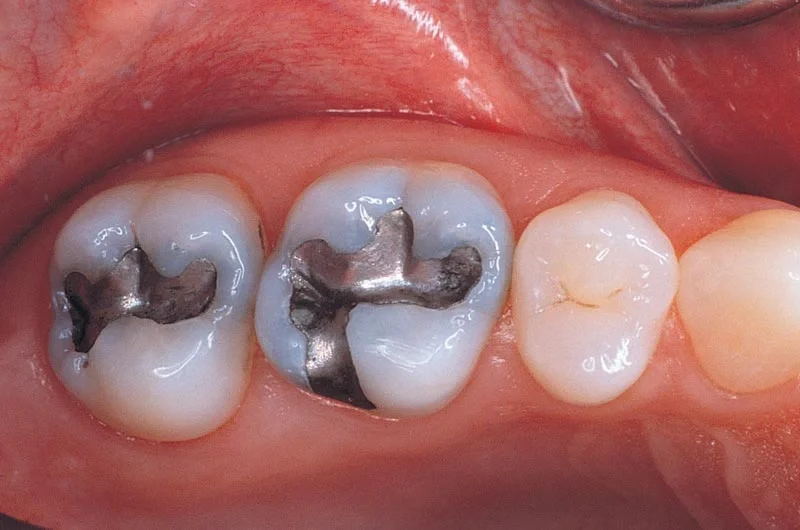
Affordable and long-lasting, making it suitable for molars that handle strong biting forces.
Cons:
Silver colour may not be suitable for visible areas.
There are some concerns regarding its release of small amounts of mercury vapour.
Glass Ionomer
Pros:
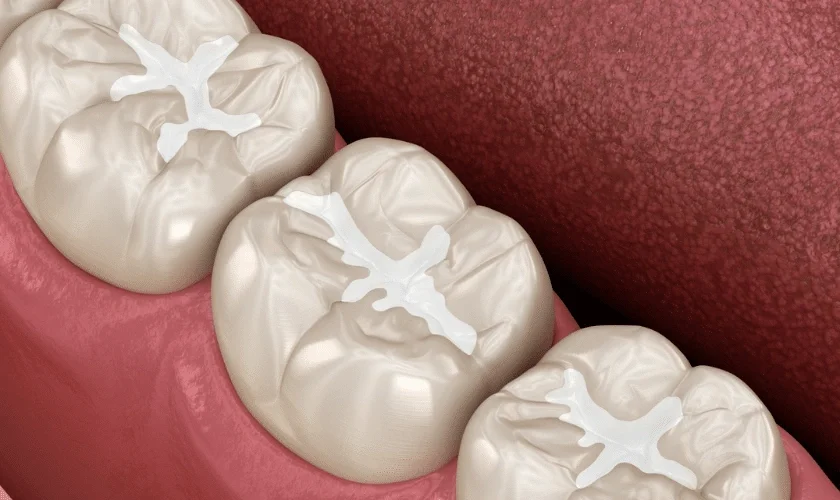
Fluoride release helps prevent further decay and supports enamel remineralisation.
Cons:
Weaker compared to other materials, and hence more suitable for non-biting surfaces.
Porcelain
Used for Veneers/ Inlays/ Onlays/ Crowns
Pros:
Highly aesthetic with excellent colour matching to natural teeth; resistant to staining; suitable for patients seeking a natural finish.
Cons:
More costly and typically requires multiple visits as they are custom-made.
Can also be more brittle compared to metal when used on back teeth under heavy pressure.
Types of Direct Tooth Fillings
Direct fillings are applied and hardened within the tooth in a single appointment, offering a quick and effective solution for cavities. They are commonly used for minor to moderate decay, ensuring the tooth remains functional and aesthetically pleasing. Different types of direct fillings include:

Composite Fillings
Composite fillings are made from tooth-coloured resin and placed directly into the cavity.
Pros:
Matches the natural tooth shade
Suitable for front and visible teeth
Mercury-free and blends seamlessly
Cons:
May wear faster compared to other materials
Can be more prone to staining over time
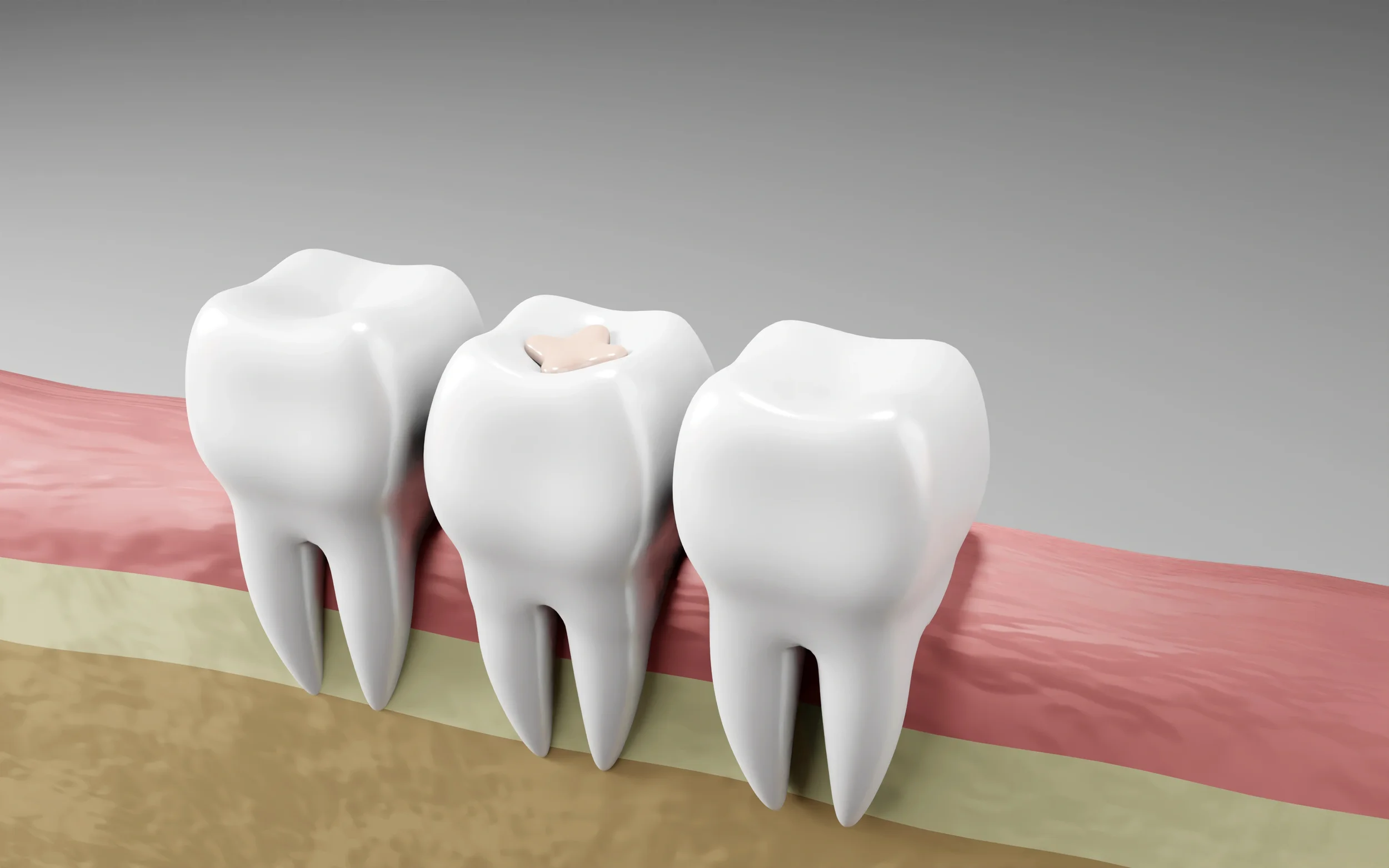
Glass Ionomer Fillings
Glass ionomer fillings bond chemically to the tooth and release fluoride.
Pros:
Fluoride release helps prevent further decay
Ideal for children’s teeth or near gum lines
Quick placement in one visit
Cons:
Less durable than composite or amalgam
May not withstand heavy biting pressure
Amalgam Fillings
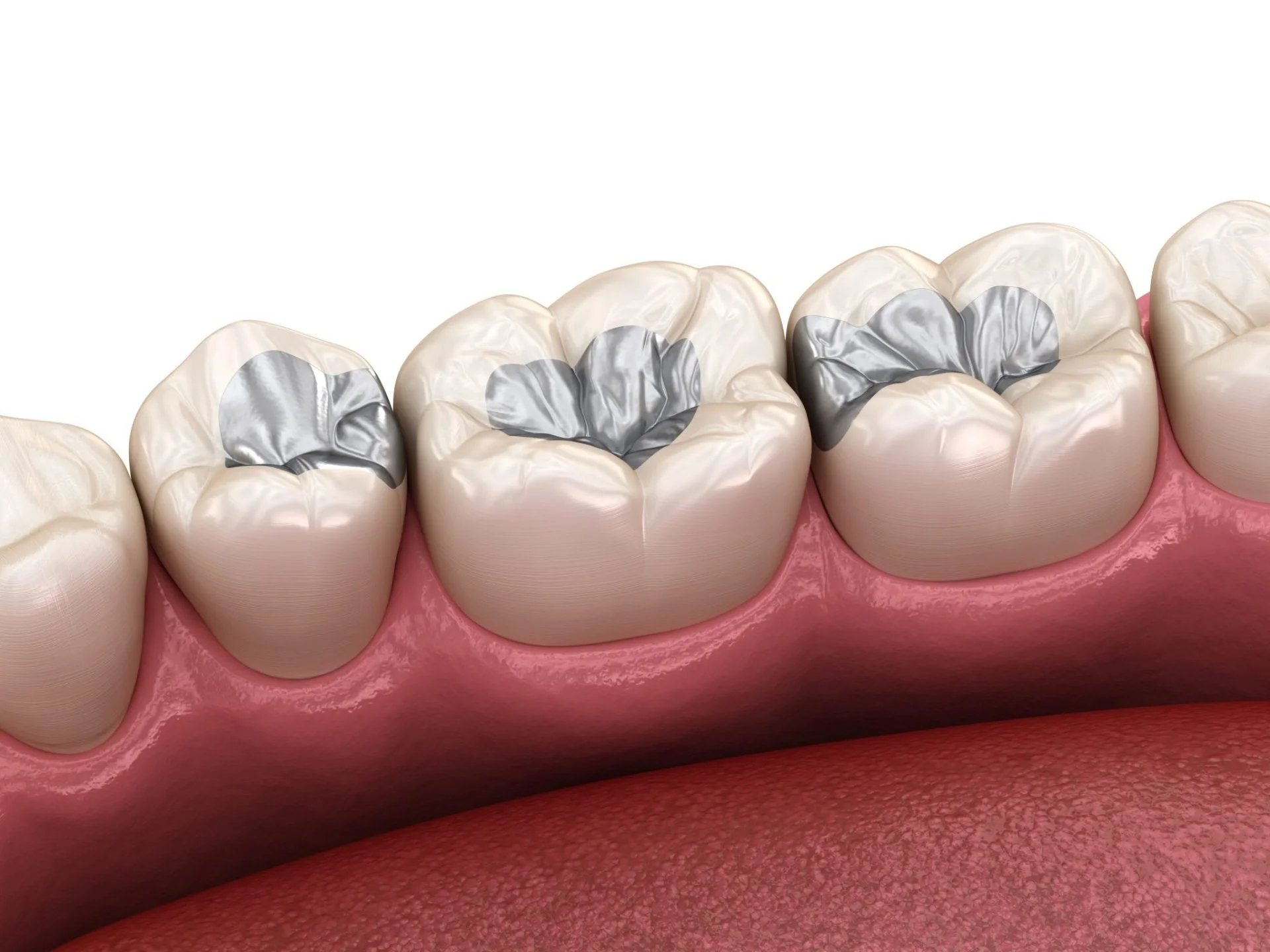
Amalgam fillings are composed of a mixture of metals.
Pros:
Long-lasting and durable
Cost-effective option
Less technique-sensitive during placement
Cons:
Silver colour is noticeable, less aesthetic
Requires more tooth preparation compared to composite
There are some concerns regarding its release of small amounts of mercury vapour.
Types of Indirect Tooth Restorations
Indirect fillings and restorations are custom-made in a dental lab before being bonded onto the tooth. These restorations are typically used for larger cavities or when more strength and durability are required. They include:

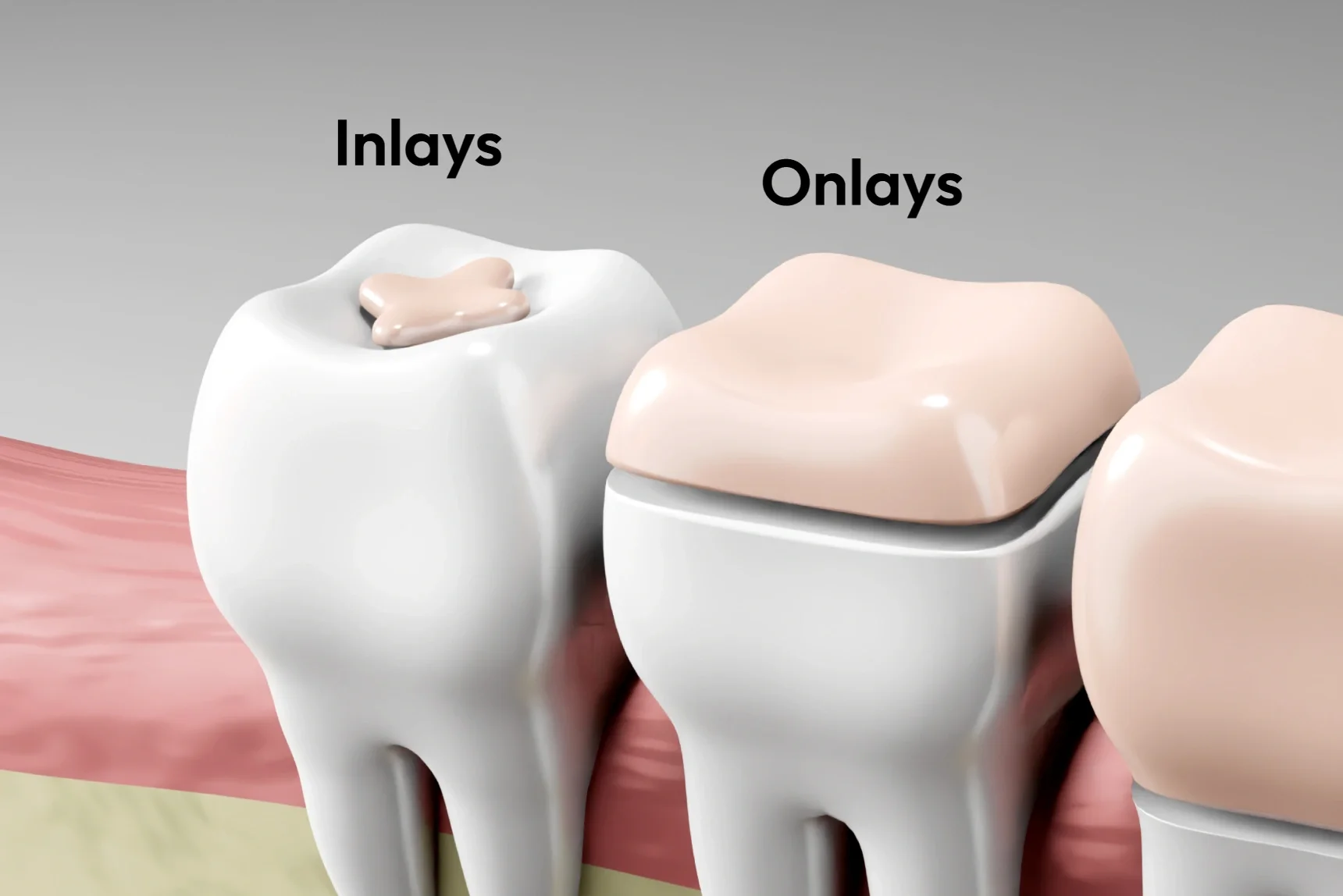
Inlays
Inlays are indirect fillings that fills a cavity between the cusps of a tooth. Cusps of the tooth are the raised, pointed parts of the chewing surface.
Pros:
Strong and long-lasting
Provides a snug fit for moderate cavities
Porcelain and metal inlays are resistant to staining
Cons:
Requires multiple visits
More costly than direct fillings
Onlays
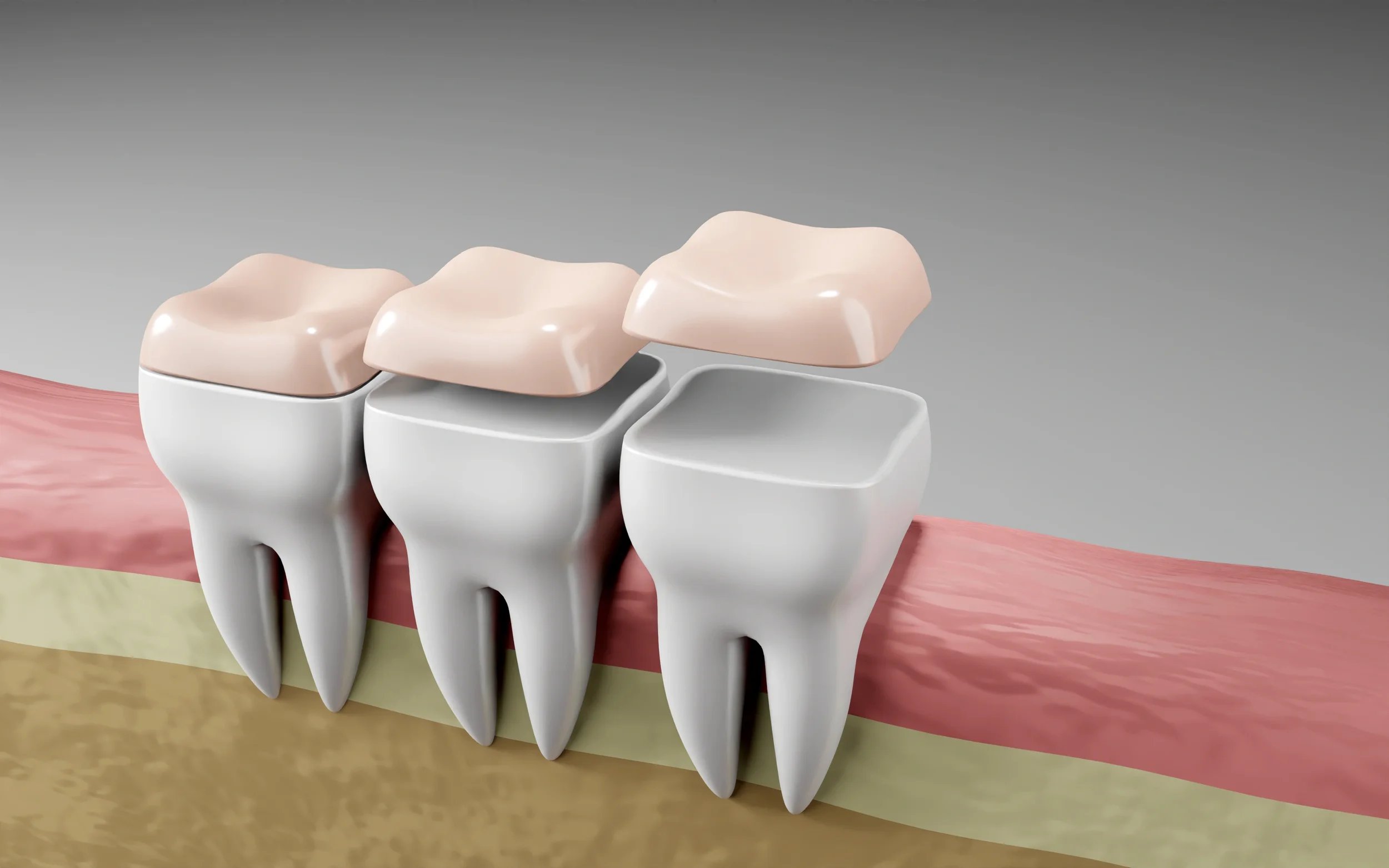
Onlays cover one or more cusps of the tooth.
Pros:
Preserves more natural tooth structure than crowns
Provides strength for weakened teeth
Aesthetic, as they can be made from tooth-coloured material
Cons:
Requires more than one appointment
Higher cost compared to standard fillings

Crowns
Crowns encase the entire tooth and are often used for severely damaged teeth.
Pros:
Restores full function and appearance
Protects the tooth from further damage
Long lifespan with proper care
Cons:
More invasive than other options
Typically more expensive
The Tooth Filling Process
Step 1: Examination and Diagnosis
We begin by assessing the affected tooth through a thorough visual inspection and X-rays. This helps determine the extent of decay and whether a tooth filling is the appropriate treatment option. If decay is detected early, a simple filling can restore the tooth without further complications.
Step 2: Removal of Decay
To prepare for the filling, we will carefully remove the decayed portion of the tooth. This step ensures that all bacteria and compromised enamel are eliminated, preventing future damage. The area is then cleaned and disinfected, creating a stable foundation for the filling material.
Step 3: Filling Placement
Once the decay is removed, the chosen tooth filling material is applied in layers. Each layer is shaped to match the natural contours of your tooth. Composite fillings, for example, are moulded directly onto the tooth for a seamless appearance.
Step 4: Hardening and Polishing
For composite fillings, a special curing light is used to harden the material quickly. After hardening, the filling is polished to ensure a smooth and natural finish. This step helps the filling blend seamlessly with the surrounding tooth structure, improving both function and aesthetics.
Step 5: Final Adjustments
Once the filling is in place, we will check your bite to ensure proper alignment. Any necessary adjustments are made to provide a comfortable and functional restoration. This final step ensures that your new filling allows for natural chewing and speech without any discomfort.
Tooth Filling Cost in Singapore
The cost of a tooth filling in Singapore depends on the material used, the size of the cavity, and whether the restoration is direct or indirect.
Subsidies for Tooth Fillings in Singapore
Some patients may be eligible for subsidies when receiving a tooth filling in Singapore. MediSave does not typically cover routine fillings. Community Health Assist Scheme (CHAS) cardholders may also receive partial subsidies for selected dental treatments, depending on their card tier. Patients are encouraged to check with the clinic for updated details.
Frequently Asked Questions
-
Yes, fillings can dislodge due to biting on hard foods, wear, or trauma. If this happens, a dentist can replace the filling to restore function.
-
Yes, materials used for fillings, including composite, glass ionomer, and amalgam, are considered safe for dental use. Your dentist will recommend the most suitable type for your needs.
-
Most direct fillings are completed in a single appointment lasting 30–60 minutes, depending on the extent of decay. Indirect fillings require multiple appointments.
-
Yes, children may need fillings for cavities caused by decay. Glass ionomer fillings are often recommended due to their fluoride release and suitability for young teeth.
-
Untreated cavities may enlarge, leading to infection, toothache, or even tooth loss. Early intervention with a filling helps prevent complications.
-
Composite resin fillings can pick up stains from food and drinks over time, while amalgam fillings may cause slight discolouration around the tooth.
-
For small to moderate sized fillings, no special care is required beyond good oral hygiene. For large fillings, it would be best to avoid biting on hard foods to avoid dislodging the filling. Regular brushing, flossing, and dental visits will help fillings last longer.
-
Yes, worn-out or cracked fillings should be replaced to maintain oral health and prevent decay beneath the restoration.
-
Composite fillings typically last 5-10 years, while amalgam and gold fillings can last longer with proper care. The longevity of fillings can be improved with proper oral hygiene measures, and by avoiding biting on hard foods to avoid chipping the fillings.
-
If the cavity extends deep into the tooth near the nerves, some discomfort may be experienced during removal of the bacteria in the cavity. The procedure can be performed under local anaesthesia, to ensure minimal discomfort. Mild sensitivity may occur after treatment but usually subsides quickly.