
Does Your Child Need Treatment for Buck Teeth? How We Decide When to Step In
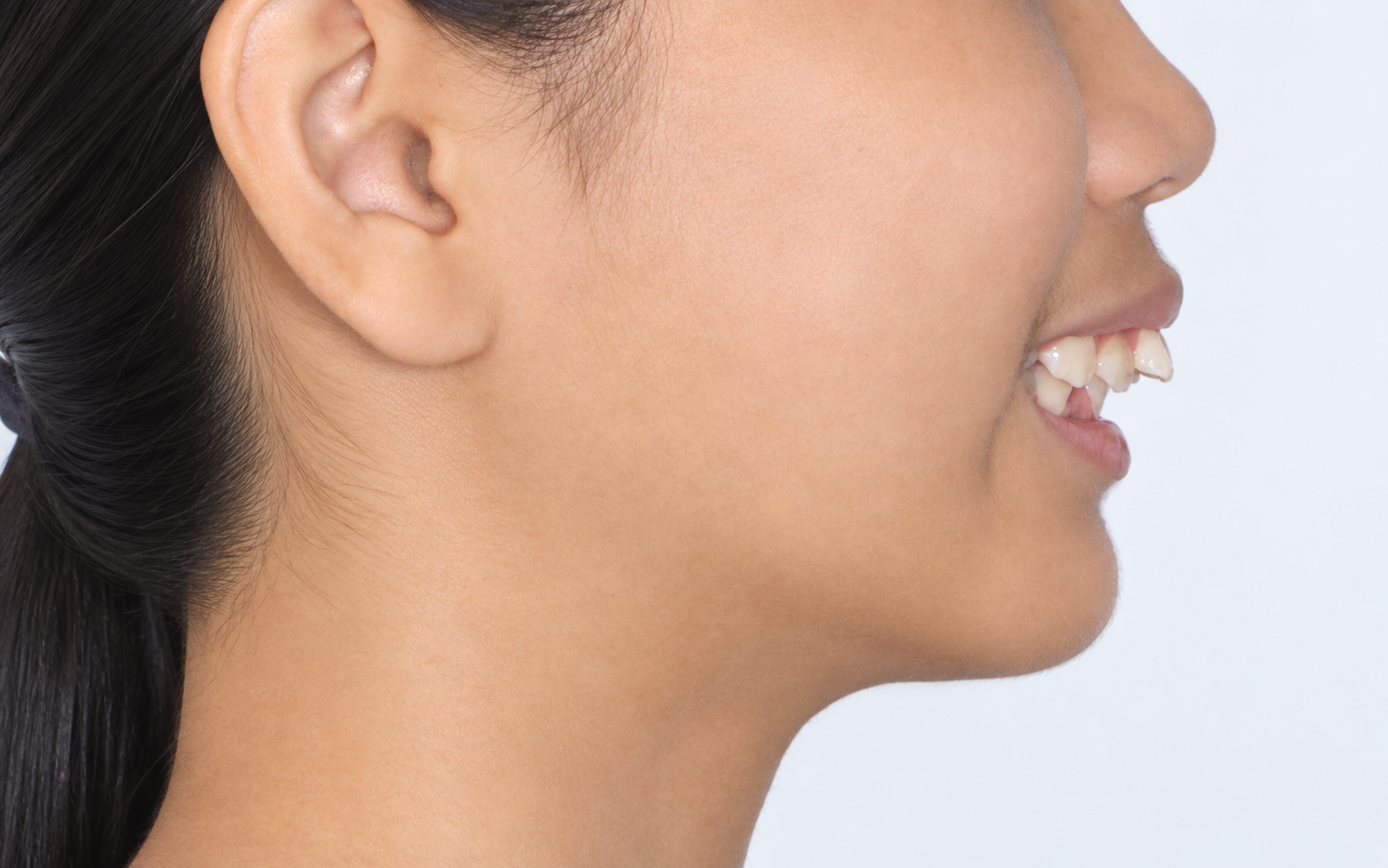
Have you noticed that your child’s upper front teeth seem to stick out more than they used to? You may have heard this described as “bunny teeth” or buck teeth. For parents, the immediate concern may be whether buck teeth pose a health risk, and whether treatment is required.
However, protruding front teeth in children do not always indicate a serious problem or require immediate treatment. What matters is how pronounced the overjet is, whether it affects your child’s bite or daily function, and how their teeth and jaws are developing over time.
Below, we explore the common causes of buck teeth, what signs our dentists look out for, and when it may be helpful to seek an orthodontic assessment.
Key Takeaways
Buck teeth describe upper front teeth that sit further forward than the lower front teeth. Orthodontists refer to this as an increased overjet.
Not every case of buck teeth requires treatment. Growth, tooth eruption, oral habits, bite, jaw relationship, and the risk of dental injury all influence what we recommend.
For some children, we may recommend close monitoring. Others may benefit from orthodontic treatment at a particular stage of dental or facial development.
Increasingly prominent front teeth, difficulty closing the lips comfortably, persistent sucking habits, or problems biting with the front teeth may be reasons to arrange an orthodontic assessment.
At Align Braces Clinic, we look at what is causing the protrusion rather than appearance alone before discussing whether treatment may be appropriate.
What are Buck Teeth?
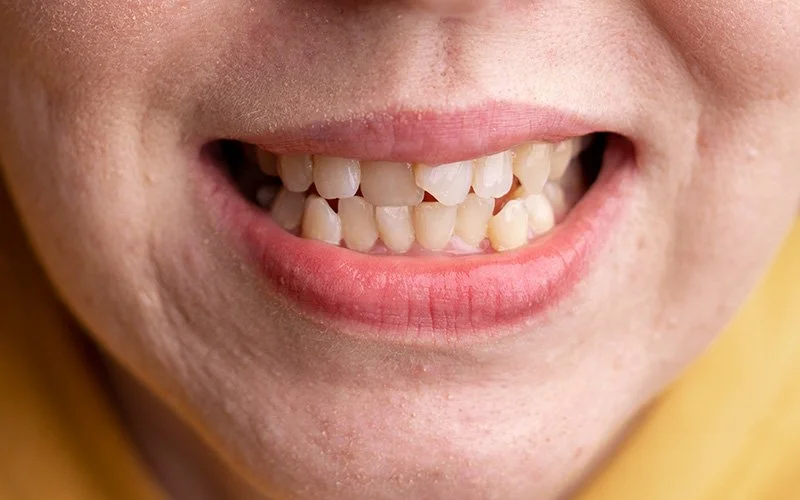
“Buck teeth” is a commonly used term to describe upper front teeth that sit noticeably forward relative to the lower teeth. Clinically, this is referred to as an increased overjet, which measures the horizontal distance between the upper and lower incisors when the jaws are closed.
Common Causes of Buck Teeth in Children
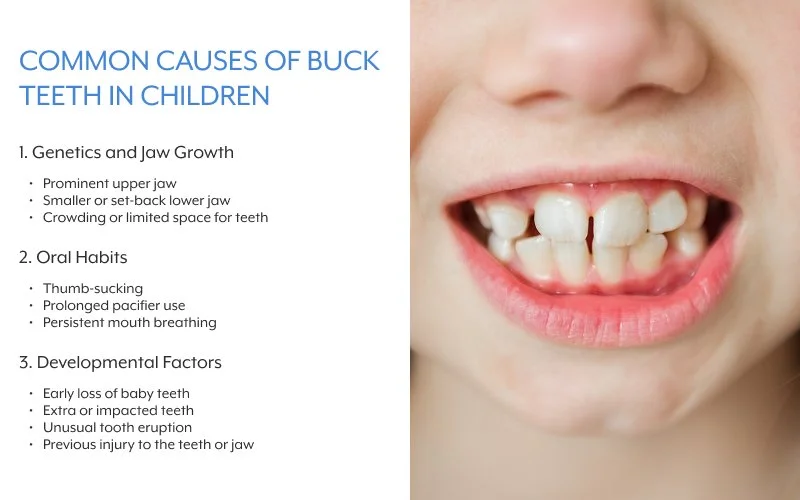
Children may develop buck teeth due to a combination of genetics, everyday habits, and external or developmental factors.
1. Genetics and Jaw Development
Children inherit many characteristics that influence how their teeth and jaws develop.
For example, a child may have a relatively prominent upper jaw, a smaller or more retrusive lower jaw, or a combination of both. This can make their upper front teeth look more prominent even if the teeth themselves are reasonably straight. Crowding or limited space in the mouth can also affect the angle at which the front teeth emerge.
2. Oral Habits and Functional Patterns
Your child’s oral habits can affect the development of their teeth and bite, particularly when these habits continue beyond the early childhood years.
Thumb-sucking: Repeated pressure from the thumb can affect the position of the front teeth and the shape of the developing dental arches, leading to bite issues and malocclusion over time.
Prolonged pacifier use: Regular pacifier use beyond the early years can also influence the developing bite. Depending on the pattern and duration of use, it may contribute to an open bite, increased overjet, or crossbite.
Persistent mouth breathing may also affect oral and facial development. If your child frequently breathes through their mouth due to nasal congestion, enlarged tonsils, or another airway concern, we may recommend an assessment by an ENT specialist.
3. Trauma and Other Developmental Factors
Less commonly, external factors can affect how your child’s teeth grow and position themselves. Early loss of baby teeth, extra or impacted teeth, or disrupted eruption patterns can cause surrounding teeth to shift and push forward. A previous injury to the teeth, mouth, or jaw can also affect dental development depending on what was injured and when.
Can Buck Teeth Cause Problems?
Not all cases of buck teeth lead to complications, and some children function well without treatment. However, when the overjet is more pronounced or persists over time, it may contribute to certain issues as your child grows.
1. Increased Risk of Dental Wear and Damage
A more pronounced overjet can also make it harder to keep the lips comfortably closed at rest. This may cause the front teeth to be more exposed and therefore more prone to trauma during falls, sports, or play.
2. Oral Hygiene May Be More Challenging
Buck teeth do not automatically cause poor oral hygiene. However, protrusion sometimes occurs together with crowding or overlapping teeth, which can make certain areas harder to brush.
3. Functional Concerns
Buck teeth can affect how the upper and lower teeth come together. In some cases, children may find it more difficult to bite into foods using their front teeth.
A more pronounced overjet may also place additional strain on the jaw joints over time. This may contribute to jaw discomfort or, in some individuals, temporomandibular joint (TMJ) disorders.
4. Concerns About Appearance and Confidence
As children grow older, they may become more aware of the appearance of their smile. While this does not affect every child, some may feel self-conscious of their buck teeth or experience teasing from peers, which can influence their confidence in social settings.
Does Your Child Need a Dental Assessment for Protruding Teeth?
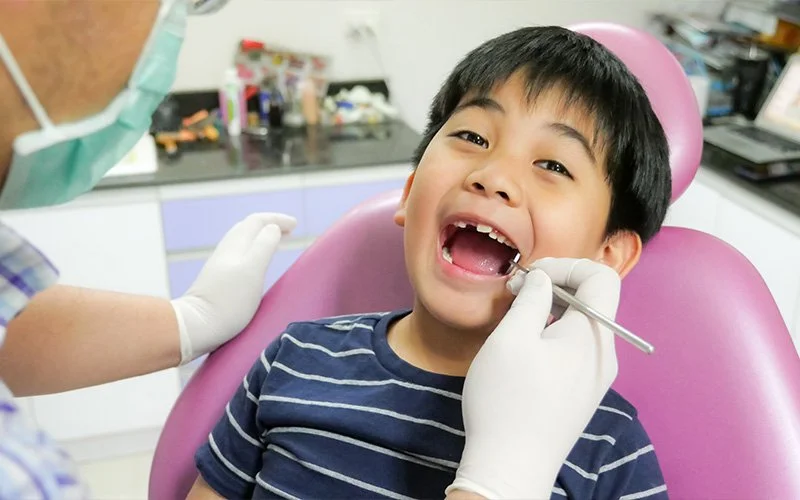
It is normal to observe some degree of dental protrusion as your child transitions from their baby teeth to permanent teeth. However, there are some signs that may warrant closer attention.
At Align Braces Clinic, we may suggest an assessment with our orthodontists if:
the upper front teeth seem to be becoming more prominent;
your child cannot comfortably keep their lips closed at rest;
thumb or finger sucking continues beyond the early years;
they still use a pacifier regularly as they get older;
they have difficulty biting into food using the front teeth;
you notice an uneven or unusual eruption pattern; or
prominent front teeth have been repeatedly knocked or injured.
As a general guide, we recommend bringing your child for their first orthodontic check at around seven years old. At this stage, the aim is often simply to see how their teeth and jaws are developing and whether anything needs to be monitored as they grow.
Treatment Options We May Consider for Buck Teeth
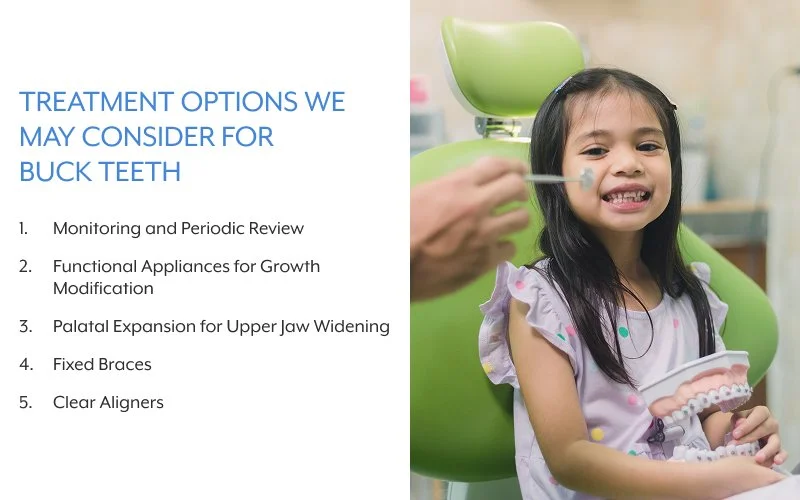
At Align Braces Clinic, timing is one of the most important considerations when managing buck teeth.
Starting treatment earlier is not automatically better. Some conditions are best observed until more permanent teeth have erupted, while selected jaw-related bite patterns may warrant attention during a period of active growth.
1. Monitoring and Periodic Review
For mild cases of buck teeth that are not affecting your child’s bite and function, we may opt to monitor instead of recommending treatment. This is particularly common during mixed dentition, when your child has both baby and permanent teeth. The position of their teeth can change considerably as new teeth erupt and the jaws continue to develop.
During review appointments, we may assess whether the overjet is increasing or remaining stable, how the permanent teeth are erupting, whether oral habits have stopped, and how the bite is developing.
2. Functional Appliances for Growth Modification
If your child’s buck teeth are linked to the lower jaw sitting further back relative to the upper jaw, we may consider a functional appliance. Options can include a Twin Block or, in suitable cases, an Invisalign Mandibular Advancement appliance. These appliances hold the lower jaw in a more forward position while worn and may be used during active growth to help manage certain developing Class II bite relationships.
Because many functional appliances are removable, consistent wear is also important. We consider whether the appliance fits realistically into your child’s school and home routine before recommending this approach.
3. Palatal Expansion for Upper Jaw Widening
In some children, a narrower upper jaw or limited space in the mouth may lead to the development of buck teeth. In these situations, a palatal expander may be used to gently widen the upper arch.
This is typically done at a younger age, when the jaw is still developing and more responsive to change. Creating additional space can help manage certain types of crowding or crossbite and support the alignment of developing permanent teeth.
Your child may notice some pressure when the expander is first adjusted, but this often becomes easier to tolerate as they get used to the appliance.
4. Fixed Braces
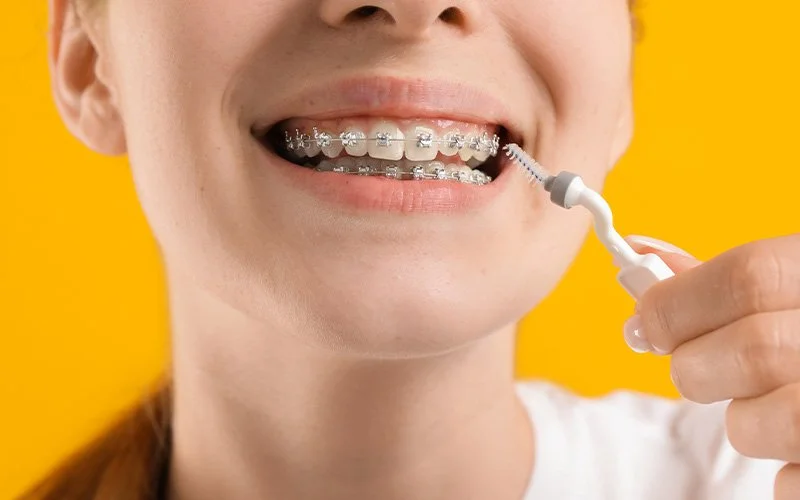
For older children and teenagers, we may recommend fixed orthodontic treatment after more permanent teeth have erupted and jaw growth is more established. Fixed braces are commonly used at this stage to gradually move the teeth into a more balanced position and improve the overall bite. Treatment duration varies, but it often spans 18-30 months, depending on how much movement is needed.
Depending on your child’s bite, the tooth movements required, and practical considerations such as maintenance and appearance, options may include:
Metal braces: The conventional option, using metal brackets and wires to move the teeth gradually.
Ceramic braces: Similar to metal braces, but with tooth-coloured or clear brackets that are less noticeable.
Self-ligating braces: These use brackets with built-in clips to hold the wire in place, rather than elastic ties. They are available in both metal and selected ceramic designs.
5. Clear Aligners
Our orthodontists may also consider clear aligners for some older children and teenagers with buck teeth. These are removable trays that are custom-made to guide the teeth into position over time. They are less noticeable than braces and can be removed for eating and cleaning, which many young patients find convenient.
However, they do require discipline, as they need to be worn for most of the day. Aligners may be suitable for mild to complex cases, but an orthodontic assessment will be needed to determine if they are appropriate.
Can Buck Teeth Be Prevented?
Yes - Avoid thumb sucking and prolonged pacifier use. (pls elaborate)
However, Not all cases of buck teeth can be prevented, especially when they are related to genetics or jaw development. In many cases, the more useful approach is to support healthy dental development and identify changes early.
Parents can help by:
Making sure their child wears a suitable mouthguard during contact sports to protect prominent front teeth from injury
Encouraging good oral hygiene, especially if protrusion or crowding makes some areas harder to clean
Attending recommended orthodontic reviews so changes in overjet and bite development can be tracked over time
While this may not prevent the development of buck teeth altogether, these steps can help reduce the likelihood of avoidable dental complications and make sure any changes are monitored appropriately.
Frequently Asked Questions
1. Will my child outgrow buck teeth on their own?
Sometimes, mild protrusion can become less noticeable as your child grows and more permanent teeth come in. However, if your child’s buck teeth are mainly related to jaw structure or habits that continue over time, they may not improve much on their own.
2. At what age should I bring my child for an orthodontic assessment?
Around age seven is a good time for a first orthodontic check, when both baby and permanent teeth are usually present. This does not mean treatment needs to start straight away. The visit may simply help the orthodontist see how your child’s teeth and jaws are developing and whether anything should be monitored as they grow.
3. Will orthodontic treatment affect my child’s daily routine or school life?
Most children can continue with school, sports, and their usual activities during orthodontic treatment. There may be a short adjustment period at the start, and braces may require a few changes to eating habits, but treatment can usually fit into everyday life without major disruption.
Conclusion
If your child’s front teeth are starting to look more prominent, it is natural to wonder whether treatment is needed or whether it is better to wait. In many cases, buck teeth can simply be monitored for a period of time, especially while your child’s teeth and jaws are still developing.
At Align Braces Clinic, we aim to make orthodontic visits feel comfortable and approachable for younger patients. Our team takes the time to explain what we are checking in simple terms, answer parents’ questions, and help children feel more at ease during their assessment.
If you have any questions or concerns about your child's dental development, schedule a consultation with us today.