
Orthodontics and Gum Recession: When Alignment Helps and When It Doesn’t
Key Takeaways
Gum recession is a common condition and often requires a combination of professional periodontal treatments and proper dental habits.
While orthodontic treatment can be considered as part of a gum treatment plan, it cannot reverse receding gums on its own.
In some cases, aligning teeth can help reduce uneven pressure on the gums and make cleaning easier.
For patients with reduced gum and bone support, orthodontists often plan slower, more controlled tooth movement to protect the surrounding tissues.
If you have receding gums, you may have already explored different ways to manage them and protect your teeth. At some point, you might also start to wonder whether orthodontic treatment could play a role in improving your situation.
The answer is not always straightforward. In some cases, aligning your teeth may confer better stability of the gum tissues, while in others, it calls for a more careful approach. This article explores when orthodontics can help, when it may not, and what you should consider before moving forward.
What Is Gum Recession?
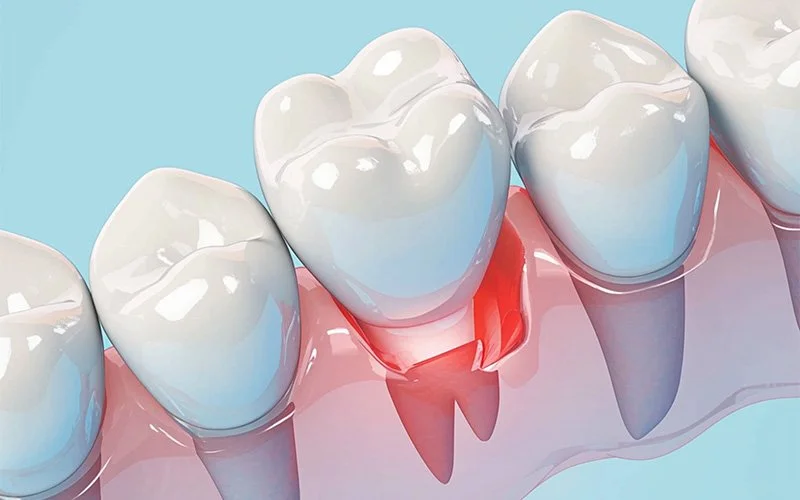
Gum recession, or gingival recession, happens when the gum tissue around your teeth gradually pulls back or thins out, exposing more of the tooth or even the root beneath. You might notice your teeth looking slightly longer than before, or experience sensitivity when eating or drinking something hot, cold, or sweet.
This change does not usually happen overnight. It tends to develop slowly over time and can be caused by several factors, such as:
Aggressive brushing
Tobacco use
Teeth grinding (bruxism)
Misaligned bites or tooth position
While receding gums are relatively common, especially in adults, this condition is not something to ignore. The gums help protect your teeth, and when they recede, the exposed areas may become more sensitive and harder to maintain.
Can Orthodontic Treatment Help with Receding Gums?
Orthodontic treatment can help to position your teeth more evenly, improve how your bite comes together, and support your gum health.
In some cases, when teeth are crowded or sit too far out, the bone and gum tissue coverage around the tooth may become abnormally thin. It may also create an uneven bite relationship that puts certain areas of your gums under more pressure than others. Over time, this uneven strain can affect the gum line.
By gently guiding your teeth into more balanced positions, alignment can improve bone and gum tissue support and help distribute bite forces more evenly. It also makes your teeth easier to clean and support better day-to-day maintenance, which is important for gum health.
That said, orthodontics does not reverse gum recession. While straighter teeth can support better function and make cleaning easier, changes to the gums usually need to be managed separately. This is why orthodontists typically take both tooth position and gum health into account when planning treatment, rather than focusing on teeth alignment alone.
Other Treatment Approaches for Gingival Recession
While orthodontic care may sometimes be considered, it is not usually the primary approach for managing gum recession. Most treatments focus on protecting the gums, covering exposed areas, and tackling the underlying causes to help prevent further changes over time.
Non-Surgical Treatments
In the early stages, non-surgical treatments such as professional scaling and root planing may be recommended to remove plaque and tartar and help reduce inflammation. Your dentist may also recommend desensitising products to help manage sensitivity in exposed areas.
Surgical Procedures
If the condition is more complex, surgical options like gum grafting may be considered. This involves placing tissue over exposed roots to improve coverage and protect the tooth. In some cases, less invasive procedures may be used to reposition the existing gum tissue instead.
The Impact of Gum Health on Orthodontic Movement
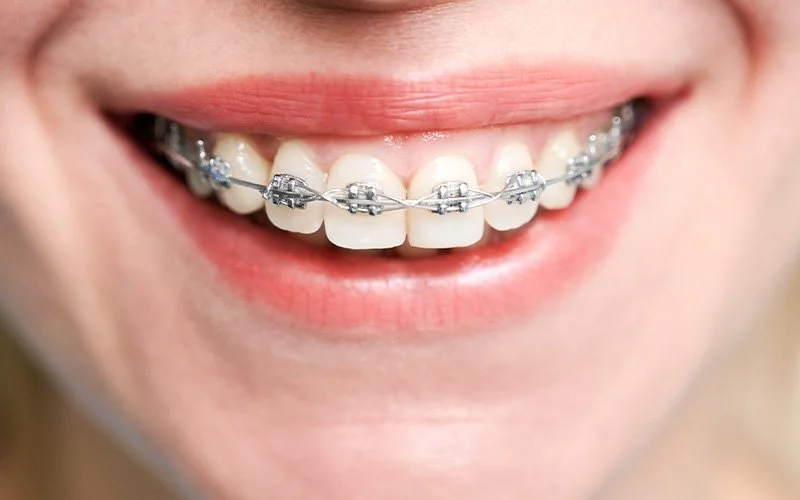
Your gum condition plays a key role in how orthodontic care is planned. Before starting braces or clear aligners, the surrounding gums and bone must be stable, as they provide the support needed for safe tooth movement.
If you already have receding gums or reduced bone support, your orthodontist may opt for slower, more controlled tooth movement and avoid moving your teeth beyond their natural limits. They will also monitor your condition regularly to ensure that the gums remain stable throughout the process.
Tips for Managing Gum and Tooth Care
Taking care of your gums and teeth consistently can help maintain long-term oral health, especially if you are managing gum recession.
1. Use Gentle Brushing Techniques
Brush your teeth at least twice a day using a soft-bristle toothbrush. Opt for gentle circular motions rather than scrubbing back and forth, which can irritate the gums. Hold your toothbrush at a slight angle to clean the area more thoroughly and gently.
2. Clean Between Your Teeth Daily
Flossing or using interdental brushes helps remove plaque from areas that a toothbrush cannot reach. Pay close attention to areas around the gum line, where buildup can aggravate the gums and worsen irritation if left alone.
3. Be Consistent with Dental Visits
Visit the dentist twice a year (or as advised) for check-ups and cleanings. If you have receding gums, it’s best to visit more frequently for closer monitoring and to keep the condition stable. Your dentist can also suggest lifestyle or dental care changes based on your condition.
Conclusion
Managing receding gums can cause uncertainty, especially when there is no single solution that works for everyone. In some cases, alignment can support better function and make daily care easier, while others require a more cautious and coordinated approach.
At Align Braces Clinic, each treatment plan is developed with both your teeth and gum health in mind. As an accredited healthcare institution for CPF Medisave, CHAS, Merdeka and Pioneer Generation, we aim to provide accessible and thoughtful dental care for eligible patients in Singapore.
Make your next dental appointment with us today.