
Are Retainers Really Essential for Your Teeth After Braces?
Key Takeaways
Consistently wearing retainers is important for helping to keep your teeth aligned after braces or clear aligners.
Teeth can still shift after orthodontic treatment, especially in the early months, which is why regular retainer wear is recommended.
There are different types of retainers available, including clear, removable, and fixed options, depending on your needs and lifestyle.
Retainer wear typically progresses from full-time to night-time use, with long-term maintenance often advised to support alignment.
Stopping retainer wear can lead to gradual or noticeable changes, and in some cases, further treatment may be required.
Introduction
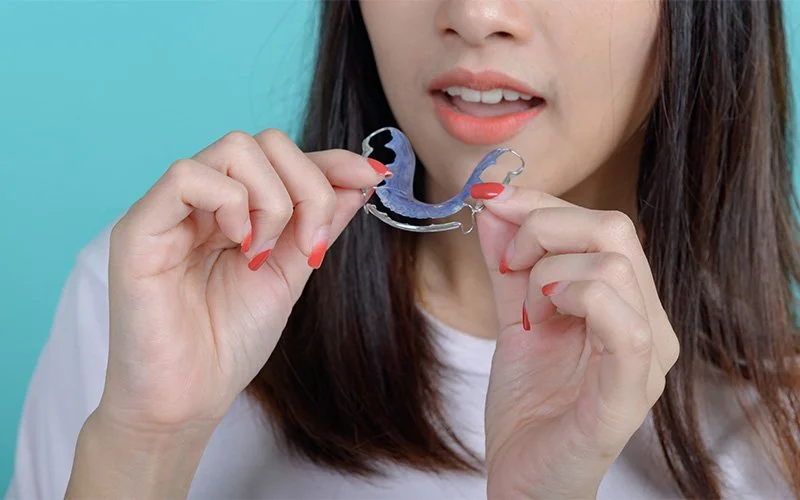
You’ve likely heard repeated reminders from your orthodontist to wear your retainer after treatment, especially right after your braces are first removed. With your teeth already looking straighter, it’s easy to assume the process is complete. However, teeth can still shift as they settle into their new positions, which is where retainers play a key role.
In this article, we explore why retainers are recommended for your teeth, how they work, and what to expect after your orthodontic treatment ends.
Why are Retainers Necessary for Teeth After Braces?
Retainers are custom-made orthodontic devices that hold your teeth in their corrected positions after treatment. After removing your braces, the surrounding bone and gum tissues still need time to adapt to the new alignment. Without support, teeth can begin to shift.
Retainers help stabilise this process by keeping your teeth in place as the tissues settle. Your orthodontist will design them based on your final treatment outcome, typically using digital scans, to ensure a more customised and comfortable fit.
That said, wearing retainers consistently does not always guarantee that no movement will occur. Your teeth can still move over time due to natural changes in the body, typically caused by ageing, medical conditions, or daily habits. This is why long-term wear and regular reviews are often recommended as part of maintaining your results.
What are the Different Types of Retainers?
There are several types of retainers, each designed to suit different needs and preferences:
Clear plastic retainers: These are discreet and fit closely over your teeth, making them a popular option for those who prefer a less noticeable look.
Acrylic and wire retainers: Often known as Hawley retainers, these combine a sturdy acrylic base with a metal wire. They are more durable and can be adjusted over time if needed.
Fixed retainers: These are bonded to the back of your front teeth, providing continuous support without needing to be removed.
Dual-purpose retainers: In some cases, retainers may also function as night guards, offering added protection for patients who grind their teeth during sleep.
Your orthodontist will recommend a suitable option based on your treatment history, oral condition, and lifestyle preferences.
What Happens If You Do Not Wear Your Retainers?
Stopping your retainer wear, even for a short period, can affect the alignment of your teeth.
Rapid Initial Movement of Teeth
Your teeth are particularly vulnerable in the period right after treatment. The surrounding bone and tissues are still stabilising, so if you skip wearing your retainer, movement can occur within just a day.
Tightness When You Wear Your Retainer Again
If you stop wearing your retainer and try to put it back in after a break, it may feel tight or slightly uncomfortable. This usually indicates that your teeth have shifted, and the retainer is applying pressure to guide them back into position.
Long-Term Alignment Changes
Skipping retainers for several months or longer can lead to more noticeable and lasting alignment changes. In such cases, your retainer may no longer fit properly, and additional orthodontic treatment may be required to correct the shifts.
What to Expect: Your Retainer Wear Timeline
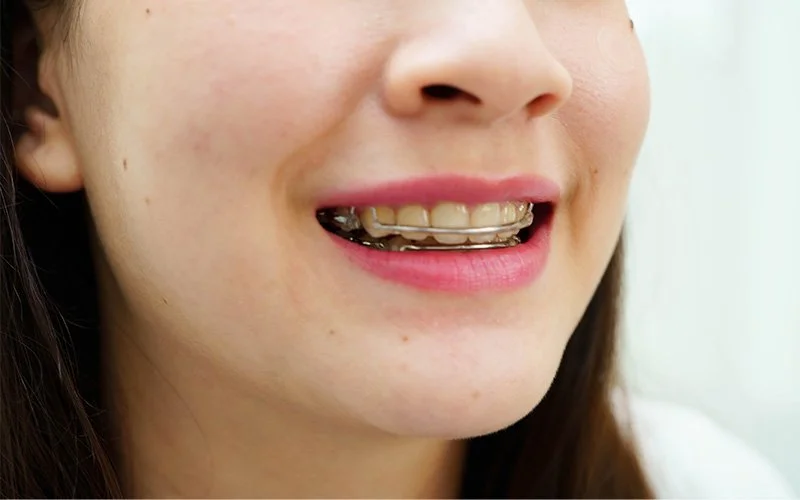
Retainer wear is usually not a one-step process. Instead, it tends to follow a gradual progression based on how your teeth stabilise after treatment.
Initial phase: Full-time wear
In the first few months, you should wear your retainers for most of the day and remove them only for meals and cleaning. This helps maintain alignment while the tissues adapt.
Long-term maintenance
Once your teeth become more stable, you may switch to wearing your retainer at night. This phase can last for an extended period and helps maintain your results with greater flexibility. Long-term use is often recommended, as teeth can continue to shift gradually.
How Long Do You Need to Wear Retainers For Your Teeth?
The duration of retainer wear varies depending on factors such as your age, the complexity of your treatment, and how your teeth respond over time. Most patients begin with full-time wear before transitioning to night time use.
Your orthodontist will provide personalised recommendations and adjust them as needed during follow-up visits to ensure your retainer continues to support your results effectively.
Do You Need Retainers For Teeth After Clear Aligner Treatment?
Patients using clear aligners will also need to wear retainers after treatment. Although they use a slightly different approach compared to braces, the mechanism remains the same: teeth are moved into new positions, and the surrounding tissues need time to stabilise. The type of retainer and how long you need to wear it will depend on your individual case, and your orthodontist will provide guidance based on your treatment outcome.
Conclusion
Completing orthodontic treatment is an important milestone, but maintaining your results requires ongoing care. Retainers may feel like a hassle to wear, but they play an important role in helping your teeth stay in their corrected positions over time.
At Align Braces Clinic, care does not end when your braces or aligners are removed. We provide tailored guidance for every patient, including regular follow-ups and personalised recommendations on retainer wear. With modern diagnostic tools and a gentle, patient-centred approach, we aim to provide a seamless experience from start to finish.
Speak with the team today.