
Why Two Patients With the Same Crooked Teeth Get Different Treatment Plans
Key Takeaways
Aside from evaluating tooth alignment, dentists will also consider other factors like your bite, jaw position, and overall oral health before deciding on a treatment approach.
Two patients with similar alignment can receive different recommendations based on how their teeth function and fit together.
Treatment plans should also be tailored to your lifestyle and focus on long-term sustainability.
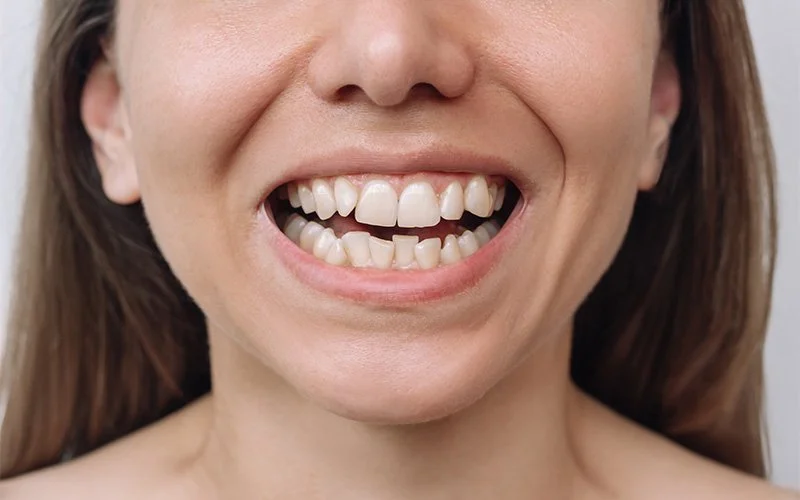
If you are considering orthodontic treatment, you may expect a straightforward plan based on how crooked your teeth are. However, many patients are surprised to learn that treatment is rarely one-size-fits-all. Even when two cases appear similar, the recommended approach can differ. This is because orthodontic care is personalised, taking into account not just your teeth, but your bite, oral health, and daily habits.
What Causes Crooked Teeth?
Misaligned teeth can develop due to a combination of factors, and the underlying reasons often differ from person to person.
Genetics: Jaw size and tooth size are often inherited. When there is a mismatch, such as larger teeth in a smaller jaw, it can result in crowding.
Losing Baby Teeth Prematurely: When baby teeth fall out too early, your neighbouring teeth may shift into the empty space and affect how your permanent teeth come in.
Prolonged Thumb Sucking or Pacifier Use: These habits can place pressure on developing teeth and jaws, gradually affecting alignment over time.
Mouth Breathing: Breathing through the mouth instead of the nose may affect how the jaws develop over time. It may encourage a lower tongue position and affect the growth of the upper jaw, which can contribute to a narrower arch or changes in tooth alignment.
Jaw Growth Patterns: Differences in how the jaws grow and relate to each other can contribute to bite issues. For example, variations in jaw width or positioning may lead to issues such as protruding upper teeth or crossbites affecting the front or back teeth.
Do All Cases of Misaligned Teeth Need Treatment?
Having crooked teeth does not always mean that immediate teeth straightening treatment is needed. Your dentist will decide the best course of action based on functional, health-related, and personal considerations.
1. Functional and Bite-Related Concerns
Orthodontic treatment may be recommended when the bite does not come together properly. In these cases, certain teeth may bear more pressure than others, leading to uneven wear over time. Some people may also notice discomfort or difficulty when biting or chewing.
In some cases, a deep overbite can cause the upper teeth to press too far down onto the lower teeth, which may irritate or injure the gums.
2. Oral Hygiene and Maintenance
Crowded or overlapping teeth can make daily cleaning more challenging. Plaque may collect in hard-to-reach areas, which over time can increase the risk of tooth decay and gum issues.
3. Aesthetic and Personal Considerations
For some patients, the decision to seek treatment comes down to how they feel about their smile. Uneven teeth can affect confidence in social or professional settings. At the same time, any treatment plan is still guided by a thorough assessment to ensure it supports both function and long-term stability.
How Orthodontic Treatment Plans May Differ

Even when two patients appear to have similar forms of malocclusion, their treatment plans can turn out quite differently. This is because orthodontic care looks beyond how teeth appear and considers how everything works together in the mouth.
1. Tooth Position Versus Bite Function
While teeth alignment is important, orthodontic care also focuses on how the teeth come together. One person may have a bite that fits together evenly, while another may have certain teeth hitting too early or taking on more pressure during chewing.
In the second case, for example, the treatment may need to focus first on both redistributing bite forces and straightening. This can affect how teeth are moved, the sequence of treatment, and even whether additional steps are needed to achieve a more balanced result.
2. Jaw Structure and Skeletal Differences
Even if your teeth look similarly misaligned, the structure of their jaws may differ. For example, one patient may have a narrower upper arch, while another may have a slight mismatch between the upper and lower jaw positions.
These differences can influence whether space needs to be created, how teeth are positioned within the arch, or how the final bite is planned. In some cases, the goal is not just to align the teeth, but to ensure they sit comfortably within the patient’s natural jaw structure.
3. Age, Bone Response, and Tissue Adaptability
Teeth do not move on their own. They shift gradually as the surrounding bone remodels in response to gentle forces. This process tends to be more responsive in younger patients, while adults may experience slower or more controlled movement.
Because of this, two patients with similarly crooked teeth may have different treatment timelines or appliance choices. In younger patients, orthodontists can sometimes work with natural jaw growth to guide tooth and bite development. For example, posterior crossbites may be addressed by widening the upper jaw with expansion appliances, while certain bite patterns may be improved by guiding lower-jaw growth with functional appliances.
In adults, where jaw growth has already stabilised, treatment may take a different approach. If underlying jaw differences are contributing to misalignment, options such as a combination of braces and jaw surgery may be discussed as part of a comprehensive plan.
4. Gum Health and Existing Dental Work
For teeth to move safely, the gums and supporting bone need to be in good condition. If there are signs of inflammation or reduced bone support, the orthodontist may take a more gradual approach or plan treatment in stages.
Existing dental work also plays a part. Implants, for example, do not move like natural teeth, while crowns or bridges may limit how certain teeth can be adjusted. These considerations help guide the overall treatment plan and ensure it remains appropriate for each patient’s situation.
5. Lifestyle, Compliance, and Long-Term Stability
Dentists will also need to determine how well the treatment plan fits into the patient’s daily life. Some treatment options, like braces, are fixed and do not rely on daily removal or consistent wear habits, while others, such as clear aligners, require patients to wear them for a recommended number of hours each day. This means that factors such as work or school schedules, eating habits, and overall consistency need to be taken into consideration.
After active treatment, retainers will also need to be worn regularly, often at night, to help maintain alignment over time.
Understanding Your Smile, Your Plan
Orthodontic treatment is often tailored to each patient’s condition. Two people with similarly crooked teeth can have very different needs once factors like bite function, jaw structure, oral health, and daily habits are taken into account. A personalised approach helps ensure that any changes made are not only visible but also stable and comfortable over time.
A professional assessment can help you better understand your options and what may be suitable for your situation. At Align Braces Clinic, our team takes time to evaluate each case carefully and explain recommendations in a clear, patient-centred manner. Book a consultation today to explore a plan tailored to you.