
Mouth Breathing in Children: When an Orthodontic Check Is Worth Considering
Key Takeaways
Occasional mouth breathing is common in children, especially during colds or due to allergies, and usually resolves on its own.
Chronic mouth breathing may lead to changes in tongue posture and oral habits. This can contribute to narrower arches, crowding, or bite differences as permanent teeth emerge.
Parents should watch for signs, such as open-mouth posture, snoring, or restless sleep.
Orthodontists will assess your child’s jaw growth and bite development before deciding whether simple monitoring or early guidance is appropriate.
In some cases, they may recommend appliances such as palatal expanders to widen the upper jaw while it is still developing.
Introduction
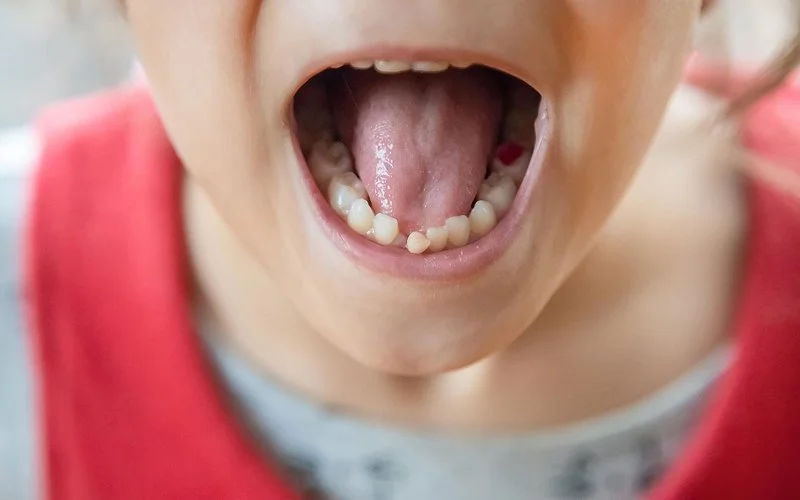
It is quite common to notice your child breathing through their mouth now and then, especially when they have a blocked nose or allergies. You might spot it at bedtime when their lips stay slightly open, or hear a bit of snoring at night. Most of the time, it settles once they feel better and does not cause any concern. However, if it continues even when your child seems well, it is natural to start wondering if it is something more than just a passing phase.
While not every child who breathes through their mouth will need any form of intervention, knowing when to keep an eye on it and when to seek advice can make a difference. In this article, we look at how to tell the difference between occasional and habitual mouth breathing, the signs parents can watch for, and when an orthodontic check may be worth considering.
Is Your Child’s Mouth Breathing Temporary or Habitual?
If your child tends to breathe through their mouth, it may not always be a cause for concern. The key difference lies in whether it happens occasionally or becomes part of their usual breathing pattern
Temporary: Changes in Breathing Due to Illness
Children may find it harder to breathe through their nose when they have a cold, sinus congestion, or allergies, so they naturally switch to breathing through their mouth. Once the blockage clears and they feel better, most children return to breathing through their nose without much lasting effect.
When It Becomes a Habit
If your child continues to breathe through their mouth even when they are at rest and not unwell, it may suggest that this has become part of their usual breathing pattern rather than a temporary response. Over time, this can affect how their lips stay open, where the tongue rests, and how the facial muscles are used throughout the day.
An orthodontic check can assess whether this mouth breathing pattern is affecting jaw or dental development. However, certain underlying causes, such as nasal blockage or enlarged tonsils or adenoids, will need to be evaluated by an ear, nose and throat (ENT) specialist.
How Mouth Breathing Affects Jaw and Dental Development
1. Changes in Tongue Posture
When a child breathes through their nose, the tongue usually rests against the roof of the mouth. This position provides gentle, consistent support that helps guide the upper jaw to grow wider and develop its natural shape.
With ongoing mouth breathing, the tongue often rests lower instead of supporting the upper arch. Without this upward pressure, the upper jaw may not develop as broadly as it could, which can influence how much space is available for teeth as they erupt.
2. Impact on Dental Arches and Spacing
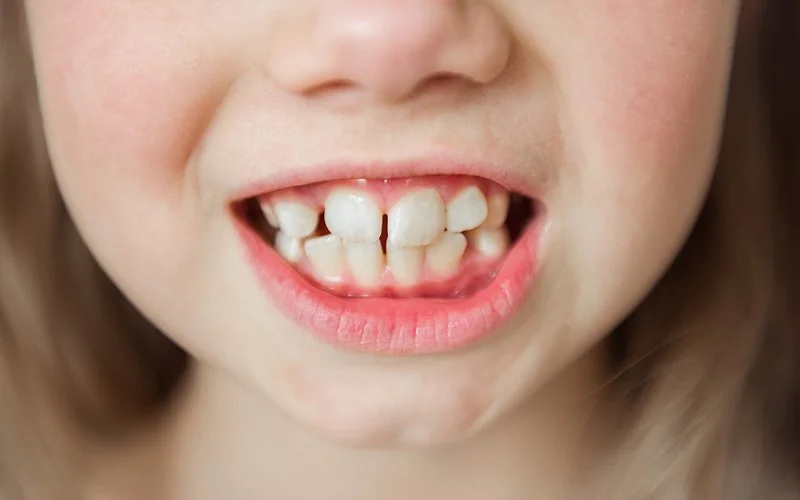
As the upper jaw develops with less support from the tongue, it may become narrower over time. This can reduce the amount of space available for permanent teeth, increasing the likelihood of crowding or overlapping as they come in. In some children, spacing may also appear uneven, especially during the transition from their baby teeth to permanent teeth.
Long-term mouth breathing may also contribute to increased lower facial height, a steeper jaw angle, a lower jaw that sits further back (mandibular retrognathism), and a longer facial appearance.
3. Possible Bite Differences Over Time
As jaw growth and tooth positioning are closely linked, these changes can also affect how the upper and lower teeth meet. Some children may develop malocclusion, such as:
Posterior crossbite: Where the upper back teeth sit inside the lower teeth, or alignment issues related to crowding.
Increased overjet: Where the upper front teeth protrude further than normal.
Signs Parents Can Look Out For at Home
The side effects of mouth breathing often develop gradually. Parents should look out for several key signs:
Open-mouth posture when relaxed
Lips that appear dry or are frequently chapped
Snoring or noisy breathing during sleep
Restless sleep or frequent waking
Difficulty keeping lips closed comfortably
When Should You Seek a Dental Assessment?
These signs can come and go, especially during periods of illness, and are not always a cause for concern. However, if they continue for weeks or months or start to feel like your child’s usual pattern, it may be helpful to mention them during a routine visit to a dentist for kids.
What to Expect from an Orthodontic Checkup
During a checkup, your child’s orthodontist will assess how their teeth and jaws are developing, looking at factors such as:
The width and shape of the upper and lower arches
Spacing between teeth and how permanent teeth are emerging
The bite relationship, including whether concerns such as an increased overjet or posterior crossbites are present
Overall jaw growth and facial development, including features such as an elongated facial profile or mandibular retrognathism
They may also ask about your child’s daily habits, such as breathing patterns, sleeping posture, or whether they tend to keep their mouth open at rest. These details help build a more complete picture of how function and development are working together.
Some clinics, like Align Braces Clinic, use digital tools such as intraoral scanners to capture a detailed, 3D view of the teeth and bite. This allows orthodontists to better visualise what is happening and makes it easier to track changes over time.
Monitoring vs Early Orthodontic Guidance
After the check, the orthodontist will walk you through what they see and what it means for your child’s development. They will usually recommend either monitoring or early guidance based on how your child is growing.
When Observation is Enough
If your child’s jaw growth, spacing, and bite appear balanced, the orthodontist will usually recommend monitoring rather than starting treatment. This is common, even in children with chronic mouth breathing, especially if there are no clear signs of crowding, narrowing, or bite concerns.
In this case, you can expect:
Periodic reviews every 6 to 12 months
Tracking of how permanent teeth come in
Reassessment as your child grows
This approach avoids unnecessary treatment while still keeping a close eye on development.
When Early Intervention May Help
If the orthodontist notices visible signs that growth may become more complex later on, they may suggest early orthodontic treatment.
Examples include:
A narrow upper jaw with limited space for incoming teeth
Small lower jaw
Increased overjet
Early signs of crowding as permanent teeth erupt
A misaligned bite or malocclusion
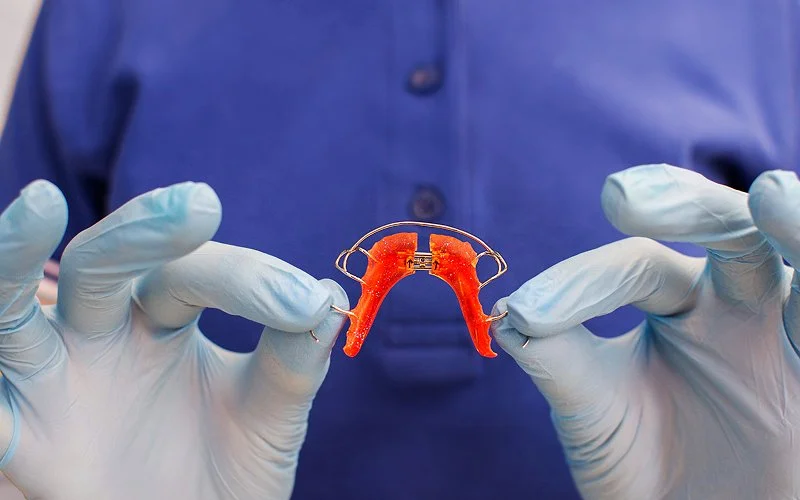
For young children, the orthodontist may recommend appliances such as palatal expanders to gradually widen the upper arch, creating space for incoming teeth and supporting alignment. Depending on your child’s needs, this may include:
Removable acrylic expanders
Fixed expanders (Hyrax expander)
Invisalign Palatal Expander
These appliances are typically used while the upper jaw is still developing, before the palate begins to fuse, which generally occurs between ages 11 and 14.
If the patient has mandibular retrognathism, the orthodontist may also recommend mandibular advancement appliances, such as a Twin Block or the Invisalign Mandibular Advancement system, to encourage forward jaw growth during the growing years.
In some cases, an expander may be first used to create the space needed, followed by braces to guide the teeth into alignment. The orthodontist will recommend the right timing and sequence based on your child’s growth to support development early and reduce the need for further treatment down the line.
Conclusion
Mouth breathing does not always mean there is a problem, especially when it happens occasionally. In many cases, simple observation and routine dental visits are enough to ensure your child’s development stays on track.
However, if the habit becomes consistent or appears alongside other signs, it may be helpful to have it checked. An orthodontic assessment can provide a clearer understanding of how your child’s teeth and jaws are developing and whether any guidance may be useful at this stage.
At Align Braces Clinic, we take a gentle, reassuring approach to children's dental care. Our staff are trained to help children feel more at ease during their appointments, allowing them to stay relaxed throughout the appointment while we assess their development and keep their parents clearly informed.
For more information about our approach, contact us today.