
Choosing Between Metal and Ceramic Braces: Why One Size Doesn’t Fit All
Key Takeaways
When comparing metal braces vs ceramic braces, consider what fits your lifestyle and daily routine. They primarily differ in appearance, durability, and maintenance.
Ceramic braces are less noticeable but require more care, while metal braces are more durable and easier to manage.
Costs in Singapore typically range from $5,100 to $8,000 for ceramic braces and $4,400 to $6,000 for metal braces.
Some initial discomfort is expected for both types of braces, but most patients adjust within a short period.
Introduction
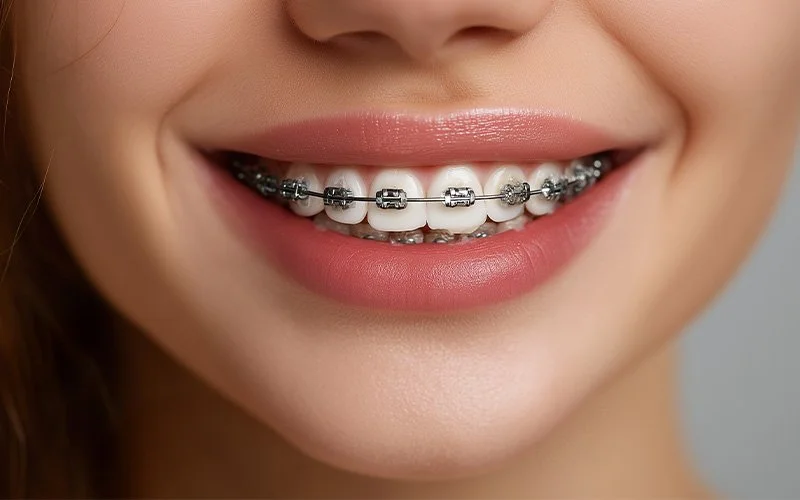
Metal braces are a common option in orthodontic care, and many of us are familiar with them. However, you may have also come across ceramic braces, which are designed to be less noticeable. So, how do you know which option is more suitable for you?
In this article, we take a closer look at metal braces vs ceramic braces, exploring how they differ, what factors to consider, and how each option may fit into your daily routine and treatment goals.
How Do Metal Braces and Ceramic Braces Differ?
In general, metal and ceramic braces work in the same way. Small brackets are bonded to each tooth and connected by an archwire. Over time, orthodontists adjust this wire to apply gentle, controlled pressure that guides teeth into alignment.
The main difference lies in the materials they are made of. Metal braces are made from stainless steel, which makes them sturdy and able to withstand regular adjustments over time. Ceramic braces, in contrast, are made from tooth-coloured porcelain and ceramic materials that blend in more closely with your natural teeth.
Does the Choice of Material Affect Treatment?
In terms of what they can treat, both metal and ceramic braces are suitable for a wide range of orthodontic concerns, including crowding, spacing, and bite issues. The main difference between them is aesthetic: metal braces are more visible, while ceramic braces use tooth-coloured or clear brackets that are less noticeable.
What to Consider When Choosing Metal or Ceramic Braces
1. Visibility and Appearance
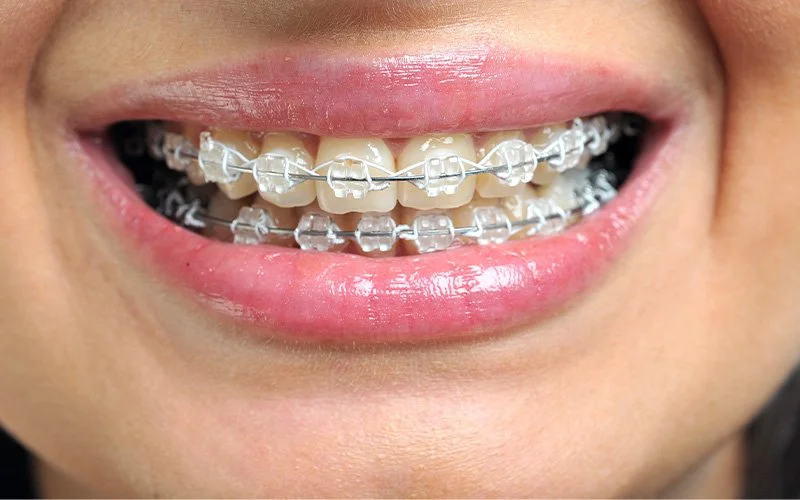
If you are self-conscious about how your braces may look in school, at work, or in social settings, ceramic braces may be more suitable as they are designed to be less noticeable against your teeth. Metal braces tend to stand out more, even though you can choose different coloured elastics to personalise how they look.
2. Ease of Maintenance
Despite their more subtle appearance, ceramic braces also require more effort to maintain. The clear elastic ligatures can easily stain yellow over time, especially if you consume coffee, tea, or strongly coloured foods frequently. If you prefer something that requires less attention to upkeep, metal dental braces may be easier to manage.
Some ceramic self-ligating braces, such as Damon Clear braces, do not use elastic ties on every bracket. This can reduce visible staining around the brackets, although good oral hygiene and mindful food choices are still important throughout treatment.
3. Comfort and Patient Experience
Many patients are also concerned about how braces will feel and whether they will be painful. For both metal and ceramic braces, some discomfort in the first few days or after adjustments is expected.
However, metal braces may cause a bit more irritation at the start, as the edges of the brackets can rub against the inside of your cheeks and lips. Damon clear ceramic braces are generally smoother, which may feel less abrasive against the surrounding tissues.
The good news is that this discomfort is usually temporary, and most patients adapt to their braces within a short period.
4. Durability
If you tend to eat harder or crunchier foods or lead a more active lifestyle, metal braces may be a more practical choice. They are generally more resistant to wear and better able to handle everyday impact.
Ceramic braces are still strong enough for regular use, but the material is slightly more brittle and may chip or fracture under higher pressure. This makes them less suited for situations where stronger bite forces or accidental impact are more likely, so a bit more care is needed during use.
5. Cost Considerations
Cost is another factor to consider when comparing metal braces vs ceramic braces. Ceramic braces are typically more expensive due to the materials used and their less noticeable appearance, with prices in Singapore generally ranging from $5,100 to $8,000. Metal braces are usually more cost-effective, with treatment costs typically ranging between $4,400 and $6,000.
However, the overall cost of orthodontic treatment depends on more than just the type of braces. Factors such as how long your treatment takes, how often adjustments are needed, and your specific orthodontic needs all play a role.
Who Might Each Option Be More Suitable For?
Metal braces may be more suitable if you prefer a more durable option that is easier to manage day to day. They are often chosen by younger patients, those with more active lifestyles, or anyone who prefers not to worry as much about staining or potential damage during treatment.
Ceramic braces may be a better fit if appearance is a key concern, especially for older teens or adults who want a less noticeable option. They can work well if you are prepared to maintain consistent oral hygiene and be mindful of habits that may affect their appearance or durability.
A dentist or orthodontist can assess your teeth, bite, and lifestyle factors and guide you towards an option that supports your treatment needs and long-term outcomes.
General Care and Maintenance Tips for Braces
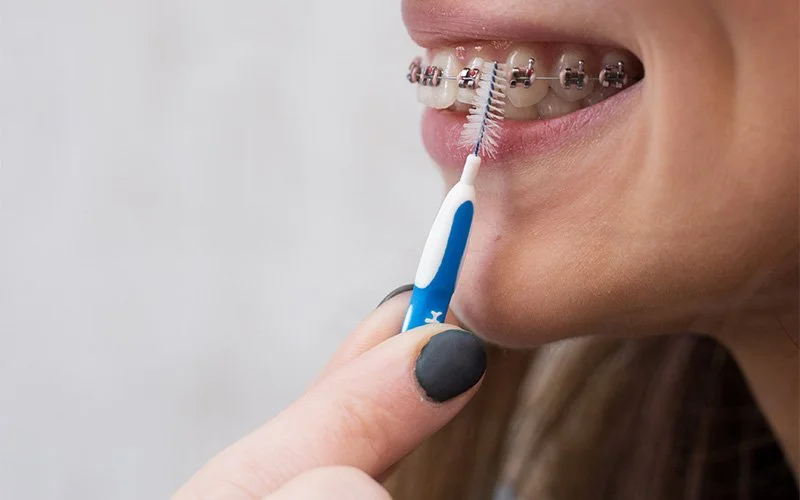
Regardless of whether you choose metal or ceramic braces, maintaining good habits throughout your treatment can help reduce avoidable issues and support steady progress.
1. Clean Thoroughly Around Brackets and Wires
Food and plaque can easily get trapped around brackets and wires, increasing the risk of tooth decay or gum irritation. Make sure to brush after meals and clean along the gumline and around each bracket, as this helps keep your teeth and braces in good condition. Interdental brushes or water flossers can be useful for reaching areas that are harder to clean.
2. Be Mindful of What You Eat
Hard, sticky, or chewy foods can damage brackets or wires, regardless of whether you have metal or ceramic braces. It’s best to avoid foods like nuts, hard sweets, and chewing gum during treatment. If you have ceramic braces, reducing intake of strongly coloured foods and drinks, such as curries and coffee, can also help minimise staining.
3. Keep Up With Scheduled Appointments
Regular adjustments allow your orthodontist to monitor progress and make necessary changes to your treatment. Missing appointments or delaying them can slow down progress or affect how your teeth move over time. Staying consistent with visits helps keep your treatment on track.
Conclusion
By comparing metal braces vs ceramic braces, you can get a clearer sense of which option fits your lifestyle and what you feel comfortable committing to over time. Both types of braces work towards the same goal, but your day-to-day experience can look quite different depending on what you choose. Thinking about things like appearance, maintenance, comfort, and cost can help you decide what feels most manageable for you.
At Align Braces Clinic, we take the time to understand your needs, preferences, and treatment goals before recommending a treatment that suits you. With the support of digital tools and a patient-centred approach, we aim to provide a clear and structured treatment plan so you know what to expect at each stage.
Contact us today to learn more.