
Orthodontic Relapse: Why Teeth Shift Back Years After Braces
Key Takeaways
Orthodontic relapse refers to the gradual shifting of teeth after braces or aligner treatment, which can happen even years later.
Teeth remain biologically active and influenced by daily forces such as chewing, muscle activity, and ageing.
Consistent use of retainers for teeth is an important factor in maintaining long-term alignment.
Changes in jaw structure, gum health, and lifestyle habits can cause the teeth to move over time.
Regular dental appointments, along with a personalised plan, can support retention and long-term stability.
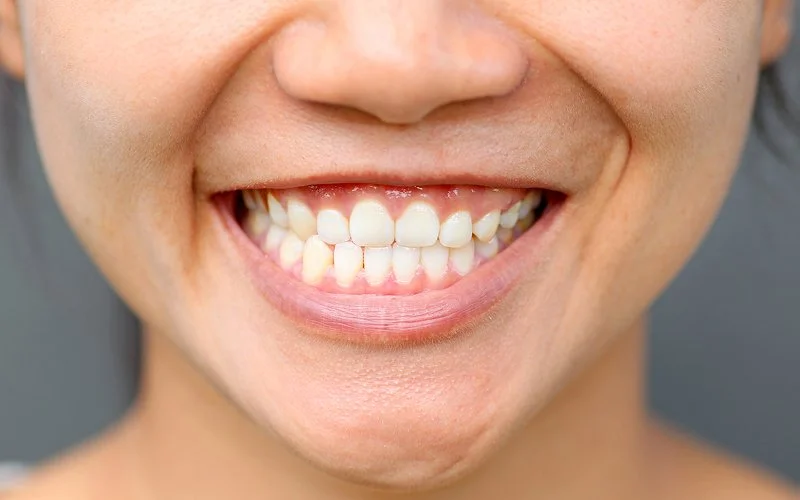
Completing braces or aligner treatment often feels like the end of a long process. Your teeth look aligned, the bite feels comfortable, and there is a sense of closure. That is why it can be confusing when small shifts begin to appear years later.
This experience is commonly described as orthodontic relapse. It does not necessarily indicate that earlier orthodontic treatment was unsuccessful. Instead, it reflects how teeth exist within a living system that continues to adapt over time. Bone, muscles, and daily habits all influence tooth position long after treatment has ended, which is why long-term care remains relevant.
Below, we take a closer look at what causes orthodontic relapse, how it occurs, and what patients can do about it.
Why Does Orthodontic Relapse Occur?
Many assume that their teeth stop shifting once they reach adulthood. In reality, however, our teeth are part of a biologically active system, making them susceptible to changes over time. Even after orthodontic treatment, these underlying processes continue, which means teeth positions can change under certain conditions.
1. Everyday Functional Forces
Teeth are held in place by surrounding bone and small fibres that connect them to the jaw. During treatment, these fibres stretch and adjust to allow teeth to move into new positions. After orthodontic treatment ends, the bone continues to reshape itself around the teeth.
However, this process does not completely fix teeth in place. Some of these fibres can retain a slight tendency to pull teeth back towards their original position, especially if the teeth were rotated before treatment. At the same time, the bone continues to renew itself throughout life, which means teeth can still respond to pressure even years later.
2. Inconsistent Retainer Use
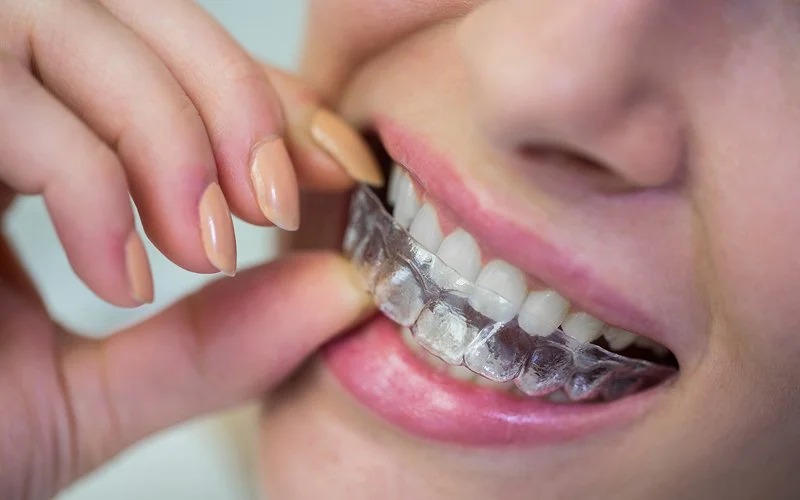
After removing your braces or aligners, your dentist will recommend retainers for your teeth. These will help hold them in position while the surrounding structures stabilise. However, when you fail to wear your retainers consistently, the lack of support often means that the teeth are more likely to respond to natural forces in the mouth. Changes are usually subtle at first, but will become more noticeable over time. The lower front teeth are more susceptible to these forces, and are therefore more likely to have crowding recur.
3. Bite Forces and Daily Habits
Everyday activities such as chewing and biting place regular pressure on the teeth. Ideally, this pressure is balanced across the bite. Problems may arise, however, if your teeth have small structural differences that lead to an uneven biting force. Plus, habits like clenching and grinding can increase this pressure further. Over time, repeated forces in certain areas can affect the position of your teeth, especially if there are no retainers in place to help maintain alignment.
4. Influence of the Tongue, Lips, and Cheeks
Your tongue, lips, and cheeks exert gentle but constant pressure in the mouth, which can also affect your teeth. While these forces usually balance each other out, tongue posture and certain habits, like thumb sucking and mouth breathing, can disrupt this balance. This may allow the forces to place pressure on your teeth, causing them to shift out of position over time.
5. Gum and Bone Health
The health of your gums, as well as the bones in your jaw, can also affect the stability of your teeth. Healthy tissues help keep teeth firm and well-positioned. If there are issues such as gum inflammation, recession, or reduced bone support, teeth may become less stable. This can make them more likely to shift, even if alignment was previously achieved.
6. Changes or Growth in Jaw Structure
The position of your teeth is closely linked to how your upper and lower jaws relate to each other. Even after treatment, changes in jaw structure can still occur, particularly in growing patients or due to certain conditions later in life.
For example, a child who has completed treatment for an underbite may experience further forward growth of the lower jaw, which can affect the bite again. In adults, factors such as joint changes, arthritis, or trauma affecting the temporomandibular joint (TMJ) may also alter how the teeth come together. These changes can influence alignment and, in some cases, contribute to orthodontic relapse.
Why Experiences of Relapse Vary
Orthodontic relapse does not present in the same way for everyone. Some individuals may notice only minor changes that do not affect function, while others may experience more visible shifting that affects how their teeth look or come together.
The stability of teeth alignment can be affected by several factors, such as:
The original severity of the malocclusion
The type of movement required during treatment
The age at which treatment was completed.
For example, cases involving significant crowding or rotation may have a higher tendency to shift if not well-maintained. Daily habits, consistency of retainer use, and overall oral health also play a role. These factors vary from person to person, which can cause the relapse to develop differently.
Signs Your Orthodontic Relapse May Need Attention
Some degree of movement can be minor and manageable, but certain changes may indicate the need for an assessment:
Visible crowding or spacing returning: Teeth that appear more crowded, overlapping, or spaced compared to after treatment may suggest ongoing movement.
Changes in your bite: If your teeth no longer come together comfortably when you bite or chew, this may indicate a shift in alignment.
Difficulty wearing retainers: Retainers that feel tight, do not fit properly, or can no longer be worn may signal that the tooth position has changed.
Jaw discomfort or uneven pressure: Changes in teeth alignment can also bring about new sensations, such as strain when biting or discomfort in the jaw.
Concerns about appearance or function: If you notice differences that affect your confidence or daily comfort, it may be helpful to have them reviewed.
How Orthodontic Relapse Can Be Managed
The approach to management and treatment depends on how much movement has occurred, how it affects your bite, and the condition of your teeth and gums. In many cases, early intervention allows for simpler and more conservative options.
1. Resuming or adjusting retainer use
If your retainers for teeth are still available and fit reasonably well, consistent wear may help stabilise minor movement. In some cases, slight adjustments or a new retainer may be recommended to better support your current alignment. Fixed (bonded) retainers may also be considered for areas that are more prone to movement.
2. Replacement or updated retainers
If your existing retainers no longer fit, your orthodontist may opt to design a new set based on your current set of teeth. Some clinics may also use digital scans to create retainers that are more comfortable and fitted to your teeth, which can help maintain alignment moving forward.
3. Minor corrective treatment
For small to moderate shifts, limited orthodontic treatment may be considered. Clear aligners are often used to guide teeth back into position gradually, with treatment duration depending on the extent of relapse. In some cases, short-term use of braces may be discussed if more control is required.
Maintaining Your Smile Over Time With Align Braces Clinic
Even after getting your braces or aligners removed, orthodontic relapse can reverse your efforts over time. While this can be unexpected or even disappointing, it is often part of how the teeth and their supporting structures develop naturally over time. By understanding these changes, you’ll be able to take a more informed and proactive approach to your post-treatment habits.
If you have noticed shifting or have concerns about your teeth, a professional assessment can help you understand what is happening and what options may be appropriate. At Align Braces Clinic, we take a patient-centred approach and use modern tools, such as digital scanning, to monitor changes in alignment over time and support personalised care planning. With the right guidance and timely care, it is possible to manage changes early and help maintain your smile.
For more information on our approach, contact us today.