
What Parents Should Know About Mixed Dentition (When Baby and Adult Teeth Coexist)
Key Takeaways
As a child grows, they may enter a developmental stage in which both baby and adult teeth are present at the same time. This is known as the mixed dentition stage.
In this stage, your child may experience temporary changes such as crowding, gaps, and uneven alignment.
Teeth alignment in children can be affected by various factors, such as jaw growth, timing of tooth eruption, and oral habits.
Monitoring development helps identify whether changes are part of normal growth or require further assessment.
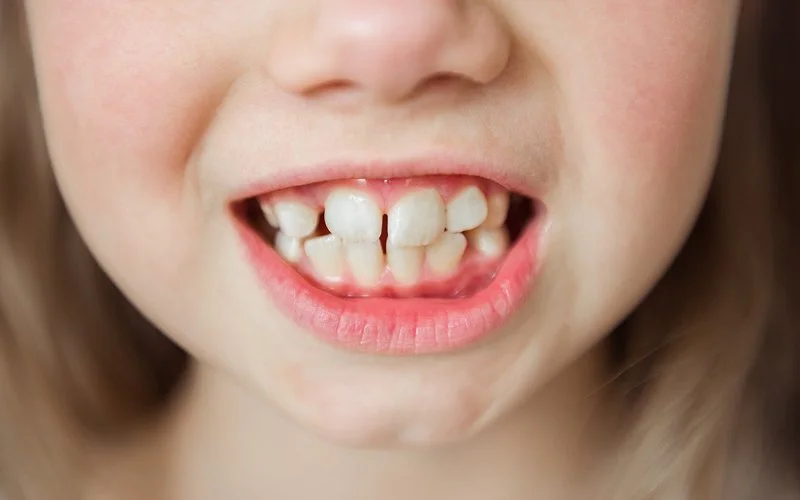
As children transition from early childhood into their school years, their baby teeth and permanent teeth begin to coexist. You might notice new teeth coming in at different angles, gaps appearing where there were none before, or a mix of small and larger teeth in the same smile. While these changes can look a little unusual at first, they are often part of a natural developmental stage known as mixed dentition.
In this article, we explore when and why these changes occur, as well as the signs that may indicate when an orthodontic assessment could be helpful.
What Is a Mixed Dentition and When Does It Happen?
At around six years old, your child may start to develop permanent (adult) teeth, often the lower front teeth and first molars. This combination of having both primary (baby) teeth and adult teeth present at the same time is also known as a mixed dentition.
During this time, baby teeth do not simply “make way” and disappear immediately. Instead, they continue to serve important functions, such as maintaining space and supporting early bite patterns. The transition can take several years, which is why it is common for children between six and twelve to have a combination of both types of teeth.
What Causes Tooth Alignment Issues During Mixed Dentition?
1. Timing of Tooth Eruption
Every child develops differently. For some children, their adult teeth may come in earlier or later, usually depending on genetics. Since permanent teeth tend to be larger than baby teeth, they may appear crowded or misplaced at first.
2. Jaw Growth and Development
As your child grows, their jaw typically expands to make space for incoming adult teeth. As this happens, temporary spacing or crowding may occur as your child’s teeth and jaw adjust in tandem.
3. The Role of Baby Teeth
Baby teeth help direct permanent teeth into place. However, if they are lost too early, usually because of injuries or tooth decay, the nearby teeth may shift into the empty space left behind. This can affect the eruption and alignment of adult teeth as they grow.
4. Childhood Oral Habits
Some childhood habits can influence how teeth align during this phase. For example, prolonged thumb sucking may push the front teeth forward or create gaps between them. It may also contribute to a vertical gap between the upper and lower front teeth (often referred to as an open bite) or affect upper jaw development, resulting in a narrower dental arch.
These changes occur because thumb sucking applies gentle but repeated pressure on the teeth and surrounding structures over time. During mixed dentition, when the teeth and jaw are still developing, this pressure can influence how permanent teeth erupt and settle into position.
Can Mixed Dentition Affect Long-Term Alignment?
Early irregularities like mild crowding or gaps between teeth may improve as more adult teeth emerge and your child’s jaw grows. That said, certain patterns may carry forward if specific development factors are already present. Limited jaw space, early loss of baby teeth, or bite imbalances may affect how adult teeth erupt and align over time.
This does not mean that every concern during mixed dentition will lead to future problems. Instead, it highlights the value of monitoring changes as your child grows. Observing how the teeth develop over time can help determine whether alignment is progressing naturally or if additional early interceptive orthodontic treatment may be required during the mixed dentition.
Mixed Dentition or Malocclusion: How to Tell the Difference
It can be difficult to tell whether changes in your child’s teeth are part of normal development or a sign of a more persistent alignment issue, such as malocclusion (bite misalignment). While both can look similar at first, there are some differences parents can observe.
Signs That May Be Part of Normal Mixed Dentition
Some changes are commonly seen during this stage and often improve over time as more adult teeth emerge:
Mild crowding or spacing that shifts as new teeth come in
Slightly rotated or uneven teeth during eruption
Temporary gaps, especially between front teeth
Teeth appearing larger or more prominent compared to baby teeth
These patterns are usually part of natural growth and may not require immediate intervention.
Signs That May Suggest Malocclusion
Certain patterns may be less likely to resolve on their own and could benefit from closer assessment:
Difficulty biting or chewing comfortably
Teeth that do not align properly when the mouth is closed
Crossbites, underbites, or noticeable jaw imbalance
Severe crowding that persists or worsens over time
Teeth erupting in positions that interfere with normal function
Adult teeth that have not erupted within the expected timeframe
Prominent protrusion of the upper front teeth
A vertical gap between the upper and lower front teeth (open bite)
Why Professional Assessment Matters
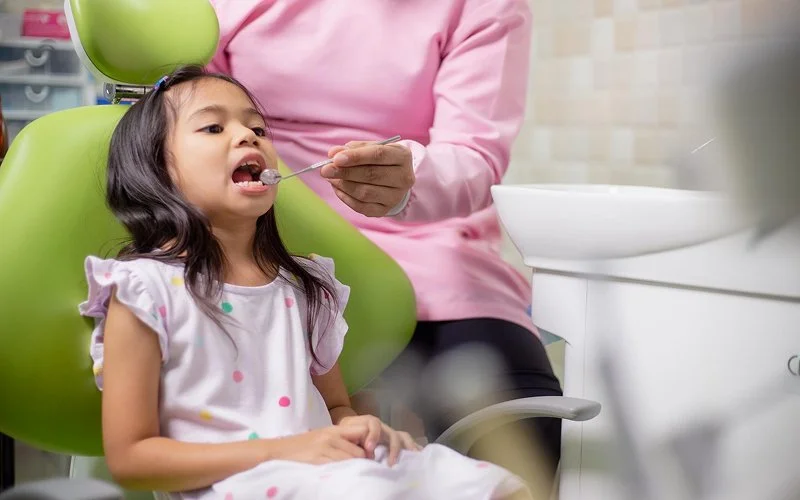
While these observations can be helpful, a clinical evaluation is usually needed to determine whether your child is experiencing malocclusion or simply developing normally. A visit to the dentist can help you better understand your child’s dental and jaw development. In many cases, your dentist may simply opt to continue monitoring your child rather than begin treatment immediately.
Conclusion
Mixed dentition is a natural stage of growth, even if it sometimes brings changes that feel uncertain. While uneven spacing or shifting teeth can look concerning, many of these changes are part of normal development as the teeth and jaws continue to adjust. When in doubt, a professional assessment can help clarify whether these changes are normal or if closer observation is recommended.
At Align Braces Clinic, we take a patient-centred approach to children’s dental care. We’ve created a calm and welcoming environment that helps children feel more at ease. At the same time, our dentists will take the time to keep both you and your child informed at every step. Using simple, age-appropriate language, we aim to help children become more familiar and comfortable with dental visits. Reach out for a consultation today.