
Adult Orthodontics in Singapore: Why Treatment Planning Is More Complex After 30
Key Takeaways
Adults may require braces for several reasons, such as natural changes in tooth position, discomfort when biting, and relapse after previous treatments.
More careful planning is needed for adult orthodontics. Dentists should consider your gum health, bone support, and existing dental work.
You can choose from a range of options, including fixed braces and clear aligners, depending on your lifestyle.
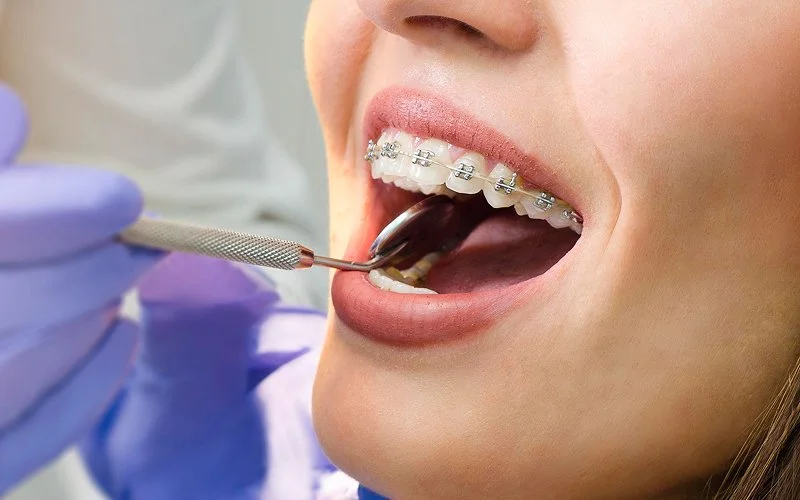
It is not uncommon to notice changes in your smile as you get older. Teeth that once felt straight may begin to shift slightly, or you may start to feel that your bite is no longer as comfortable as before.
Getting braces after 30 years old isn’t just about appearance. It can also be for maintaining oral health, improving comfort, or addressing changes that have developed with age. While orthodontic treatment is still very much possible, it tends to require a more considered and complex planning approach compared to adolescent treatment.
When Should Adults Consider Braces?
There is no single “right time” to explore orthodontic care for adults. However, certain signs may indicate that it is worth considering braces after 30.
Gradual shifting of teeth: Teeth can move slowly over time due to age or changes in the mouth. If your smile looks or feels different from a few years ago, this may be a sign of change. Conditions like gum disease can also cause teeth to lose support and drift, resulting in gaps.
Difficulty cleaning certain areas: Crowded or overlapping teeth can make brushing and flossing more challenging. Over time, this may allow plaque to build up in hard-to-reach areas.
Discomfort when biting or chewing: An uneven bite may place more pressure on certain teeth, leading to discomfort or uneven wear.
Previous orthodontic treatment with changes over time: Even if you had braces earlier in life, teeth can still shift. A reassessment can help you understand what has changed and what options may be appropriate.
Tooth loss and spacing concerns: When a tooth is lost, the surrounding teeth may shift into the resulting space. In some cases, orthodontic treatment may be considered to close smaller gaps or reposition nearby teeth, instead of replacing the missing tooth with options like implants or dentures.
Why Adult Orthodontic Planning Requires a More Considered Approach
While braces may still be recommended for patients after the age of 30, treatment planning may differ from that of younger patients. This is often due to various factors:
1. Bone Density and Slower Biological Response
As we get older, the bone supporting our teeth naturally becomes denser and less responsive to movement. While orthodontic treatment is still possible, the process will become more gradual. Smaller and more controlled adjustments are typically needed to help reduce strain on the teeth and the surrounding structures.
2. Gum Health and Periodontal Considerations
Issues like mild gum recession, inflammation, or bone changes can affect how the teeth respond to movement. Orthodontists will need to pay closer attention to their adult patients’ gum health.
3. Existing Dental Work and Restorations
Previous dental work and existing restorations can affect how treatment is planned.
Dental implants are fused to the bone and fixed in place. Since they cannot be repositioned, the treatment plan needs to work around them while guiding the surrounding teeth.
Bridges connect multiple teeth together, which can limit how those teeth move as a unit and may require more careful planning.
For crowns and veneers, the surface behaves differently from natural enamel. Brackets may not bond as easily, which can increase the chance of them coming loose during treatment. After the braces are removed, the surface may also need to be polished or adjusted to restore its finish.
4. Lifestyle, Time, and Aesthetic Priorities
For many adults, orthodontic treatment needs to fit into an already busy lifestyle. Work schedules, meetings, and social interactions can influence when appointments are arranged and which treatment options are more suitable.
In these cases, different options may be considered:
Damon Q braces: Designed with a lower-profile appearance compared to traditional braces. These self-ligating braces potentially allow for shorter treatment times in some cases and are generally easier to clean due to the absence of elastic ties.
Damon Clear ceramic braces: A tooth-coloured option that blends more naturally with your teeth. They provide a more discreet alternative to traditional braces while remaining a fixed appliance.
Clear aligners: Removable and more discreet, making them a popular choice for adults who prefer a subtle approach. They can be taken out when eating or brushing, offering added convenience. Some individuals may also experience fewer urgent adjustments, such as issues with wires or brackets, compared to fixed braces.
5. Limited Jaw Growth Potential
In growing teens, orthodontic treatment can sometimes guide jaw development, making it possible to influence both tooth position and jaw alignment simultaneously. For example, posterior crossbites in younger patients may be corrected by expanding the upper jaw using appliances such as an Invisalign palatal expander or a Hyrax expander. Similarly, a smaller lower jaw may be guided forward using appliances such as Invisalign mandibular advancement systems or Twin Block appliances.
In adults, however, jaw growth has already stabilised. This means treatment focuses on repositioning the teeth within the existing jaw structure rather than modifying jaw growth.

Frequently Asked Questions
1. Is it too late to start braces when I’m older than 30 years old?
Not at all. While adults may respond differently compared to younger patients, teeth can still be moved into better positions with a well-planned approach. In many cases, treatment focuses not only on how your smile looks, but also on improving how your bite works over time.
2. How long does braces treatment take for adults?
Treatment time varies depending on your individual needs, including how complex the alignment is and how your teeth respond to movement. For adults, it may take a little longer, but staying consistent with appointments and following your orthodontist’s advice helps keep things progressing as planned.
3. Will it be extra painful to get braces as an adult?
Research on age-related discomfort is mixed. Some studies suggest adults may report slightly higher levels of discomfort, while others have found no clear difference between age groups.
In practice, braces for adults are not usually more painful, but they may feel different. You may notice a sense of pressure or mild soreness, especially in the first few days after braces are placed or adjusted. This is a normal response as the teeth begin to move and typically settles as your mouth adapts.
4. Should I choose metal braces, ceramic braces, or clear aligners as an adult?
It really depends on your needs and what fits best into your daily routine. Metal braces are fixed in place and can provide greater control over certain types of tooth movement, especially in more complex cases. Damon Clear ceramic braces are tooth-coloured and less noticeable, making them a more discreet fixed option for those who are mindful of appearance. Clear aligners are removable and more discreet, which many adults prefer for convenience and appearance. A consultation can help you better understand which option suits your situation and lifestyle.
Conclusion
Getting braces after 30 can feel like a big decision. For many adults, it comes with questions about time, comfort, and whether it is still worth doing at this stage of life. But with the help of a licensed orthodontist, you can better understand your teeth, bite, and overall oral health, and explore options that are suited to your needs and lifestyle.
Align Braces Clinic is here to support you. We approach each case with a careful, personalised assessment, taking into account your oral health, lifestyle, and treatment goals. With a full range of options, including braces and clear aligners, our team will work with you to find an approach that fits your needs.
Contact us today.