
Invisalign in Singapore: Cost, Pros and Cons, and How It Works
Invisalign is a clear aligner treatment, sometimes called invisible braces, that gradually straightens teeth using a series of customised, removable trays. It is commonly considered by patients who want a less noticeable alternative to traditional braces while still addressing concerns such as crowding, spacing and certain bite issues.
This guide covers the full picture of Invisalign in Singapore: what it costs, how the treatment works step by step, its main advantages and disadvantages, and the questions patients ask most often before they begin.
Key Takeaways
Invisalign in Singapore typically costs SGD 7,000 to SGD 10,000 at a specialist orthodontist clinic, depending on case complexity and the number of aligners required.
Treatment usually takes 12 to 24 months, with aligners worn 20 to 22 hours a day and changed every one to two weeks.
The main advantages: the aligners are nearly invisible, removable for eating and cleaning, and generally comfortable compared with fixed braces.
The main trade-offs: higher cost than metal braces, reliance on daily wear discipline, and limited suitability for very complex cases.
Invisalign is often an elective orthodontic treatment and is not claimable under MediSave or CHAS in Singapore.
Find out whether Invisalign is suitable for you via a clinical assessment of your teeth and bite.
What Are Invisalign Braces?
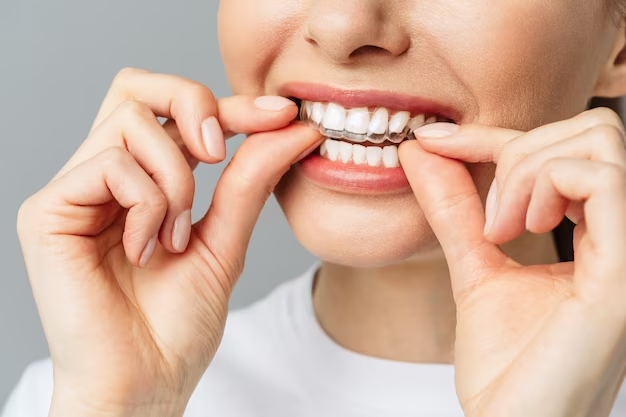
Invisalign is a system of clear, removable aligners, which is why it is often referred to as invisible braces or clear aligners. Treatment in Singapore involves wearing a custom-made series of these aligners to guide teeth into new positions over time. Each aligner is worn for about one to two weeks before being replaced with the next in the series. Made from smooth, BPA-free plastic, the aligners are designed for comfort and are nearly invisible when worn. Unlike fixed braces, they can be removed when eating, brushing or flossing, making them a discreet and flexible option for both teens and adults. Patients considering invisible dental braces as a treatment option can discuss their suitability at a consultation.
How Does Invisalign Work in Singapore? A Step-by-Step Guide
With proper care and regular follow-ups, these invisible dental braces can be a practical and discreet way to achieve a well-aligned smile that lasts.
Step 1: Consultation
The journey towards a perfect smile with Invisalign in Singapore begins with a consultation. During this initial appointment, an orthodontist assesses if Invisalign is the right fit for you. It's essential because not everyone is a suitable candidate for Invisalign treatment.
Factors such as the complexity of your dental alignment issues and your oral health are considered. This step ensures that you receive the most effective treatment plan tailored to your specific needs.
Step 2: Custom Plan
Once deemed a suitable candidate for Invisalign in Singapore, the next step is developing a customised treatment plan. This plan is not a one-size-fits-all approach; it's uniquely tailored to each individual. Using advanced 3D imaging technology, the orthodontist creates a precise, digital model of your teeth.
This technology allows you to see a virtual representation of how your teeth will move during treatment and the expected outcome. It's a fascinating process that combines dental expertise with technology to craft your perfect smile.
Step 3: Receiving Aligners
The core of the Invisalign treatment lies in the custom-made aligners. These aligners, clear and virtually invisible, are what make Invisalign a popular choice in Singapore. You will receive a series of these aligners, each slightly different, to wear over your teeth.
Typically, you change to a new set of aligners every 1-2 weeks, gradually shifting your teeth into the desired position. The aligners are made of a smooth, comfortable BPA-free plastic that won't irritate your cheeks or gums like traditional metal braces might.
Step 4: Regular Check-ups
Regular check-ups are an integral part of the Invisalign journey in Singapore. These appointments, typically every 6-8 weeks, allow your orthodontist to monitor your progress and ensure your treatment is on track.
During these visits, any necessary adjustments can be made. This regular monitoring is key to achieving the best results and ensures that your treatment plan is working effectively.
Step 5: Aftercare
The final phase of Invisalign treatment is aftercare. Once your teeth have reached their desired positions, it's crucial to maintain these results. All patients will need to wear retainers post-treatment to keep their teeth in place. These retainers are just as discreet as the Invisalign aligners and are essential for ensuring the longevity of your new, straighter smile.
How Much Does Invisalign Cost in Singapore?
Invisalign in Singapore typically costs SGD 7,000 to SGD 10,000 at a specialist orthodontist clinic, with the final fee confirmed after a clinical assessment and 3D scan. The price reflects the customisation and quality of care involved, and depends on your orthodontic requirements, such as the number of aligners needed during treatment. Simpler cases that need fewer aligners generally cost less than complex cases involving significant bite correction.
Breakdown of Invisalign Cost Singapore
Consultation Fees
The journey to a perfect smile begins with an initial consultation. This first step often involves a detailed examination of your dental structure, a discussion of your orthodontic goals, and a preliminary treatment plan.
Some clinics in Singapore might charge this consultation separately, and it's a cost that should be factored into the overall budget for Invisalign treatment.
Aligners Cost
The core of Invisalign treatment involves the use of custom-made aligners, tailored specifically to your dental structure. These aligners are crafted using advanced 3D imaging technology, ensuring a perfect fit and effective treatment.
The majority of the Invisalign cost in Singapore is attributed to these aligners. The number of aligners required varies from case to case, directly influencing the cost.
Aftercare
The Invisalign journey doesn't end with the last aligner. To maintain the results, post-treatment retainers are crucial. In Singapore, the cost for these retainers and the subsequent follow-up visits to ensure everything is progressing as expected might be additional. This aftercare is vital for sustaining the benefits of the treatment in the long term.
Additional Costs to Consider
When budgeting for Invisalign in Singapore, it’s significant to factor in additional costs beyond the aligners themselves. These may include:
• 3D Imaging and Dental Impressions:
Advanced imaging techniques are used to create a precise treatment plan, which can add to the cost.
• Follow-up Visits:
Regular check-ups are necessary to monitor progress and make adjustments.
• X-rays:
The cost of X-rays is typically included in the overall treatment package for Invisalign. However, additional X-rays may be required if there are changes in the treatment plan or if the orthodontist needs more detailed information.
Factors Influencing Invisalign Cost in Singapore
Invisalign, an approach to teeth straightening, has become a popular choice in Singapore. However, those considering Invisalign often find themselves pondering over the cost involved.
It's essential to understand that the price of Invisalign in Singapore isn't a one-size-fits-all figure; it varies based on multiple factors. Let's delve deeper into these variables to provide a clearer picture of the Invisalign cost landscape in Singapore.
Complexity of the Case
The complexity of your dental alignment issues plays an important role in determining the Invisalign cost. In Singapore, orthodontic conditions vary widely, from simple misalignments to more complex cases like severe overbites, underbites, or teeth crowding.
The more complex your dental needs, the more aligners and customised care you'll require, thereby increasing the Invisalign cost. It’s necessary to get a detailed assessment from a qualified orthodontist to understand your specific needs.
Duration of Treatment
The length of time you need to wear Invisalign aligners is another key factor impacting the price of Invisalign in Singapore. In general, short-term treatments for minor adjustments are less expensive compared to long-term treatments for complex dental issues.
In Singapore, the average duration for Invisalign treatment ranges from 12 to 24 months. Longer treatments involve more aligners and more frequent dental visits, which contribute to a higher overall cost.
Expertise of the Orthodontist
The expertise and reputation of the orthodontist plays a crucial role in the price of Invisialign in Singapore.
Experienced orthodontists with a proven track record in successful Invisalign treatments may charge a premium for their services. However, investing in experienced professionals can lead to better outcomes and more efficient treatment, potentially reducing long-term costs.
In conclusion, knowing the Invisalign cost in Singapore requires a thorough understanding of various influencing factors. From the complexity of dental issues to the choice of orthodontist, each aspect plays a pivotal role in shaping the overall expense.
Advantages of Invisalign in Singapore
Invisalign offers several practical advantages for patients who prefer a removable alternative to fixed braces. Whether these benefits matter to you will depend on your lifestyle, dental needs and treatment plan.
Less Noticeable Appearance
Invisalign aligners are clear and fit closely over the teeth, making them less noticeable than metal brackets and wires. This can appeal to adults and teenagers who prefer a more discreet orthodontic option.
Removable for Eating and Cleaning
The aligners are removed for meals, brushing and flossing. This means you can continue eating your usual foods and clean your teeth without working around fixed brackets and wires.
Smooth Plastic Trays
Invisalign aligners are made from smooth plastic and do not use metal brackets or wires. Some patients may find this more comfortable during day-to-day wear, although temporary pressure or tenderness can still occur when changing to a new set.
Digital Treatment Planning
Treatment begins with a digital scan that is used to plan the sequence of tooth movement. The digital simulation can help you understand the proposed treatment stages and estimated outcome before the aligners are produced, although it remains a projection rather than a guaranteed final result.
Periodic Review Appointments
Because Invisalign does not use wires that need tightening, routine appointments focus on checking how the teeth are moving, how the aligners fit and whether refinements are needed. The number and frequency of visits still depend on your individual treatment plan.
Suitable for a Range of Orthodontic Concerns
Invisalign may be used for issues such as crowding, gaps and certain bite problems. Some cases may also involve attachments, elastics or staged tooth movements. An orthodontic assessment is needed to determine whether clear aligner treatment is appropriate for your teeth and bite.
Patients considering invisible aligners in Singapore can discuss the expected benefits, limitations and treatment requirements during a consultation.
Disadvantages of Invisalign in Singapore
Invisalign also has limitations that are worth considering before treatment. These vary depending on your case, daily routine and ability to follow the prescribed wear schedule.
Higher Treatment Cost
Invisalign can cost more than traditional metal braces, depending on the complexity of the case and the number of aligners required. The overall fee should be considered alongside the expected treatment duration and any additional charges.
Requires Consistent Daily Wear
The aligners need to be worn for the recommended number of hours each day. Frequently removing them or forgetting to put them back in can slow progress and may affect how well the treatment plan stays on track.
Not Suitable for Every Case
Some complex tooth movements or jaw-related concerns may be managed with fixed braces or another orthodontic approach. Suitability should therefore be assessed based on your teeth, bite and treatment goals.
Regular Monitoring Is Still Needed
Although there are no wires to tighten, review appointments are still required to check tooth movement, aligner fit and overall progress. Additional visits may be needed if attachments loosen, aligners stop fitting properly or refinements are required.
Aligners Need Regular Cleaning
Clear aligners should be cleaned routinely and stored in their case when not being worn. Poor cleaning or storage habits can affect hygiene and may damage or discolour the trays.
Risk of Losing or Damaging Aligners
Because the trays are removable, they can be misplaced, discarded accidentally or damaged when left outside their case. Depending on when this happens, the orthodontist may advise wearing a previous tray, moving to the next one or ordering a replacement.
Frequent Aligner Changes
Treatment involves moving through a series of aligners according to the prescribed schedule. Keeping track of changes and carrying the trays when away from home requires some routine and organisation.
Insurance Coverage Varies
Orthodontic coverage differs between insurance plans. Patients should check directly with their insurer to understand whether any part of clear aligner treatment is covered.
Removal Before Meals and Most Drinks
Aligners need to be removed for eating and for drinks other than water. This can be inconvenient when dining out, travelling or attending social and work events.
Treatment Time Depends on Compliance and Case Complexity
Treatment duration varies from person to person. Wearing the aligners less than prescribed or needing additional refinements can extend the overall timeline.
Does Invisalign Really Work?
One of the most common questions people have before starting treatment is: how does Invisalign work, and does it yield results? Invisalign can be a suitable option for certain types of orthodontic concerns, particularly mild to moderate alignment issues such as crowding, gaps, or minor bite irregularities.
These aligners work by applying gradual, controlled pressure to the teeth over time. When used consistently as instructed, they may support steady progress throughout the treatment period.
However, Invisalign is not designed for all cases. More complex movements or jaw-related issues may be better addressed with other orthodontic approaches. A consultation is necessary to determine whether this treatment method aligns with your specific dental needs and goals.
Invisalign Braces vs Traditional Braces
People choosing Invisalign often want to know how it compares with fixed braces. Here is a quick summary. For the full breakdown, see our detailed guide on Invisalign vs braces.
| Invisalign | Traditional Braces | |
|---|---|---|
| Appearance | Nearly invisible | Visible brackets and wires |
| Removable | Yes, for eating and cleaning | Fixed in place |
| Hygiene | Aligners can be removed for brushing and flossing | Cleaning requires brushing around brackets and wires |
| Comfort | Smooth trays, generally comfortable | Brackets and wires can irritate |
| Suitability | Mild to moderate cases; some complex cases with attachments | Wider range, including complex cases |
| Daily effort | Relies on 20 to 22 hours of wear a day | Works continuously without daily effort |
| Cost | Generally higher | Metal braces generally cost less |
Invisalign Treatment at Align Braces Clinic
Invisalign uses a series of customised clear aligners to gradually reposition the teeth. Its removable design and digital treatment planning may suit patients who prefer a less noticeable alternative to fixed braces, although suitability depends on the teeth, bite and type of movement required.
When considering Invisalign in Singapore, it is also worth looking at daily wear requirements, treatment duration, possible refinements and the overall cost of treatment. To find out whether Invisalign is appropriate for your case, you can book a consultation at our Orchard or Marine Parade clinic.
FAQs on Invisalign in Singapore
Is Invisalign claimable under MediSave or CHAS in Singapore?
No. Invisalign is considered elective orthodontic treatment, so it is not claimable under MediSave or CHAS. Some private insurance plans with an orthodontic rider may provide partial coverage, so it is worth checking your policy.
How long does Invisalign treatment take in Singapore?
Treatment usually takes 12 to 24 months, though it can be shorter for minor corrections and longer for complex cases. It depends on how far the teeth need to move and how consistently the aligners are worn for the recommended 20 to 22 hours a day.
Are there additional costs on top of the aligners?
Consultations, X-rays, dental impressions, follow-up appointments and post-treatment retainers may be charged separately or bundled into the treatment fee, depending on the clinic.
At Align Braces Clinic, our Invisalign packages include consultations, orthodontic X-rays, 3D intra-oral scans, follow-up reviews and a set of clear retainers. General dental services such as scaling and polishing, fillings and tooth extractions are usually separate from orthodontic treatment fees.
Is Invisalign as effective as traditional braces?
Invisalign may be suitable for many mild to moderate cases, while some complex tooth movements may be managed with fixed braces depending on the clinical assessment.
Can I eat normally with Invisalign?
Yes. The aligners are removable, so you take them out to eat and drink anything other than water, then brush and put them back in.
Are Invisalign aligners painful?
Some people feel mild pressure or tenderness for a day or two when they start a new set of aligners. This usually settles as the teeth adjust.
Can teenagers get Invisalign?
Yes. Invisalign may be suitable for some teenagers as well as children, depending on their dental needs and ability to follow the prescribed wear schedule. Invisalign First and Invisalign Palatal Expander treatments are designed for younger patients with specific orthodontic needs.
Are there any additional costs associated with Invisalign treatment in Singapore?
Beyond the basic treatment, there might be additional costs for initial consultations, x-rays, dental impressions, follow-up appointments, and post-treatment retainers. Some clinics might bundle these costs with the overall treatment fee, while others charge separately.
What makes Invisalign a preferred choice over traditional braces in Singapore?
Invisalign is popular for its aesthetics (being nearly invisible), comfort (no metal brackets or wires), and convenience (removable for eating and cleaning). However, it's important to consult with an orthodontist to determine the best treatment for your specific needs.